
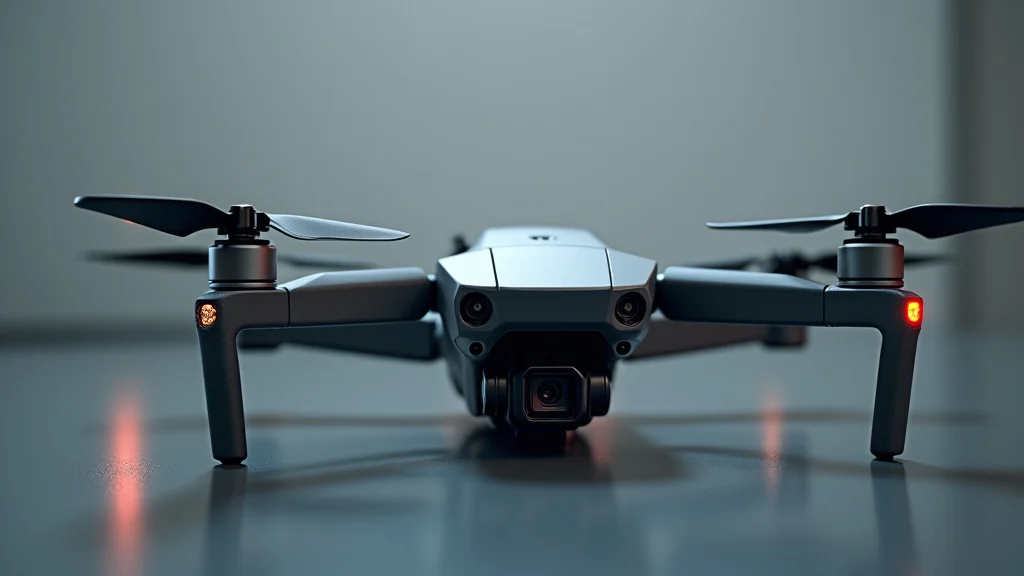
Picture this: you’re gazing up at the sky, your brand new drone humming with excitement. Suddenly, a propellor shatters! Now what? Don’t worry, even experienced drone flyers encounter this. Knowing the ins and outs of drone parts is key. This guide will walk you through the essential components, help you choose the right replacements and upgrades, and avoid common pitfalls. You’ll gain valuable knowledge that will keep your drone soaring, improve your flying experience, and allow you to troubleshoot issues quickly, all of which improves your overall flying. By the end, you’ll be able to confidently select the right drone parts for your needs.
Key Takeaways
- Learn about the main components that make up a drone and their functions.
- Understand the different types of motors, propellers, and batteries and how to select them.
- Discover how to troubleshoot common drone problems related to parts.
- Get insight into drone customization and upgrade options for better performance.
- Find reliable resources to purchase high-quality drone parts at competitive prices.
Unpacking the Anatomy of a Drone
Drones, also known as unmanned aerial vehicles (UAVs), are complex machines that consist of various interconnected systems. To truly appreciate how drones function, it is essential to explore the core components that bring these flying machines to life. Each component serves a unique function, working in concert to ensure stability, maneuverability, and overall performance. These components are essential to keep your drone operational, providing opportunities for upgrades and repairs to improve your experience. Knowing these parts will help you troubleshoot and keep your drone in the air.
The Frame and Body
The frame is the structural foundation of your drone, designed to withstand the stresses of flight and protect the internal components. Frames come in various shapes and sizes, often made from materials like carbon fiber or lightweight plastics. The choice of frame impacts the drone’s weight, durability, and aerodynamics. A well-designed frame will help with flight stability and prevent damage in minor collisions. It also determines how easy it will be to access and replace other components such as the battery and the motors.
- Material Choices The frame material impacts both weight and strength. Carbon fiber is strong but can be more expensive, while plastic offers a more budget-friendly approach. Each material affects the overall weight, making sure the drone is easy to fly.
- Frame Design Frame designs vary from simple cross shapes to more complex configurations. Different designs can offer improved stability or better airflow for cooling the components. The design impacts the drone’s maneuverability.
- Durability Considerations Frames need to resist impacts during crashes. Look for frames that have protection around the edges of the components. The frame also affects the overall safety and the lifespan of the drone’s components.
The Motors and Electronic Speed Controllers (ESCs)
The motors are the heart of the drone, providing the thrust needed for lift-off and flight. Motors are typically brushless, which means they use magnets to spin without physical contact, increasing their lifespan and efficiency. The ESCs regulate the speed of the motors, allowing for precise control and maneuverability. This combination is crucial for the drone to move and perform as expected. Selecting the right motor and ESC combination is key to achieving optimal flight performance and reliability. Different motors support different propeller sizes.
- Motor Types and Considerations Brushless motors come in different KV ratings, which affect their speed and torque. Higher KV motors spin faster but might provide less torque. Choose motors that fit your drone’s size and expected use.
- ESC Functionality ESCs convert the battery’s power to operate the motors. They must match the motor’s specifications to prevent damage. Consider ESCs with features like overcurrent protection.
- Motor and ESC Integration Proper integration of motors and ESCs is essential for optimal performance. They must be able to handle the voltage and current requirements. Consider the size and weight of the combined components for balanced flight.
Propellers and Their Role
Propellers, or props, convert the motor’s rotation into thrust. They are designed with specific shapes and sizes, influencing flight characteristics such as speed, efficiency, and noise. Choosing the right propellers is vital for achieving the desired performance and flight time. Damaged props are a common issue. You’ll need to know which props fit your drone model to have a smooth flying experience. The materials and design of propellers affect their durability and performance.
- Propeller Types Propellers come in different configurations, including two-blade, three-blade, and even four-blade designs. Each configuration offers different performance characteristics. For instance, more blades can enhance the drone’s control and stability.
- Propeller Materials Common materials include plastic and carbon fiber. Plastic propellers are cost-effective but less durable, while carbon fiber propellers are more expensive but stronger and provide better efficiency. Select materials based on your flight style.
- Propeller Sizing and Pitch The size and pitch of a propeller affect thrust and speed. Larger propellers generally provide more thrust, while a higher pitch can increase speed. It is essential to select propeller sizes that match your motors for optimal performance.
The Flight Controller and Sensors
The flight controller is the brain of the drone, processing data from sensors and adjusting motor speeds to maintain stability and execute pilot commands. Sensors, such as gyroscopes, accelerometers, and barometers, provide crucial data about the drone’s orientation, movement, and altitude. This data allows the flight controller to make the necessary adjustments to keep the drone steady in the air and respond to pilot inputs. This is where most of the smarts and autonomy of the drone are found. Understanding how they work enables you to explore advanced features.
- Flight Controller Functions Flight controllers perform essential tasks, including processing sensor data, stabilizing the drone, and receiving and interpreting commands from the remote control. They manage the motors through the ESCs.
- Sensor Technologies Drones use various sensors to understand their environment. Gyroscopes measure the angular rate of movement, accelerometers detect linear acceleration, and barometers help determine altitude. GPS provides location data.
- Firmware and Software Flight controllers use firmware and software to perform their functions. Firmware updates often include performance improvements, bug fixes, and new features. It is important to keep the flight controller software up to date.
Battery and Power Management
The battery is the power source of the drone, and its capacity and type significantly impact flight time and overall performance. The battery’s voltage and capacity (measured in mAh) determine how long the drone can stay in the air. Proper power management is crucial for the safe and efficient operation of the drone. The battery provides the power for every system on the drone. Maintaining and managing your battery is essential for a longer drone lifespan.
- Battery Types and Considerations Lithium Polymer (LiPo) batteries are common, known for their high energy density and lightweight design. Different capacities impact flight time, so choose the right battery depending on your needs.
- Battery Safety LiPo batteries must be handled with care to prevent damage or fire. Use a LiPo charger and storage bag to ensure safety. Check the battery’s condition regularly for any signs of swelling or damage.
- Power Management Systems Drones often include power distribution boards and voltage regulators to manage power flow. These systems regulate power to the various components, optimizing the performance.
Choosing the Right Drone Parts for Your Needs
Selecting the correct drone parts is essential for optimal performance, safety, and a successful flying experience. It involves a thoughtful assessment of your specific needs, the type of flying you intend to do, and the characteristics of the drone itself. Different components have unique specifications. Carefully considering these factors will enable you to make informed decisions and ensure that your drone performs well. Always consult your drone’s manual and the manufacturer’s suggestions when considering replacements or upgrades.
Assessing Your Needs and Flying Style
The type of flying you enjoy impacts the components you need. Whether you prioritize speed, aerial photography, or recreational flights, the parts you choose will vary. It is essential to know your typical flight environment and objectives to select the most appropriate parts. Consider the areas you’ll be flying in, whether it is open fields or crowded urban areas. For instance, a racing drone requires different components than a photography drone.
- Flying Applications Consider what you plan to use your drone for. Aerial photography drones require high-quality cameras and stable flight characteristics. Racing drones need high-speed motors and lightweight components.
- Flight Environment The environment you typically fly in will impact your choice of parts. If you often fly in windy conditions, you may need a more powerful motor or more durable propellers. Always know the local rules about flying drones.
- Personal Preferences Your personal flying style also plays a role. If you are focused on agility and speed, you might choose lighter components and more responsive controls. If you prioritize long flight times, you might select higher-capacity batteries.
Compatibility and Specifications
One of the most essential aspects of selecting drone parts is compatibility. Ensuring that all components work together seamlessly is key to preventing performance issues or, worse, damaging the drone. Parts must be compatible with your existing drone model. Compatibility goes beyond simply matching connector types. It requires a detailed knowledge of the technical specifications of each component and how they interact with each other. Understanding the specifications is key to proper upgrades.
- Component Compatibility Before buying any part, check to ensure it is compatible with your specific drone model. Check your drone’s manual for specific recommendations.
- Technical Specifications Pay attention to technical specifications such as voltage, current, motor KV, and propeller size. Ensure the new components fit the existing system parameters.
- Firmware and Software Compatibility Ensure all components, including the flight controller, ESCs, and any onboard systems, are running compatible firmware and software versions. Incorrect versions may cause performance issues.
Performance and Quality
When selecting drone parts, consider both the performance characteristics and the quality of the components. High-quality parts often provide better performance, increased durability, and greater reliability. These factors impact your overall experience and the long-term cost of operating your drone. Prioritizing performance and quality will result in a more enjoyable and efficient flying experience. Consider the reputation of the manufacturers and read reviews to ensure quality.
- Performance Metrics Assess factors such as flight time, speed, maneuverability, and camera capabilities. If performance is critical, consider upgrading to higher-end components with better specifications.
- Material Quality Examine the materials used in the construction of each component. High-quality materials can improve durability.
- Brand Reputation Opt for well-known manufacturers with a solid reputation. This typically means the products will deliver on the performance they advertise. Research the brand before purchasing.
Essential Tools and Resources for Drone Part Selection
To successfully select and maintain your drone, having the right tools and information is essential. A combination of physical tools and digital resources will assist in the selection process, allowing you to troubleshoot issues, repair your drone, and enhance its overall performance. These tools will enable you to make informed decisions and keep your drone in excellent condition.
Necessary Tools for Assembly and Maintenance
Having the appropriate tools can greatly simplify the process of assembling, maintaining, and repairing your drone. The right set of tools will enable you to work efficiently, preventing damage to the components and making the process less frustrating. Keep these tools in a safe place so they are easy to find when you need them. Investing in quality tools will also ensure they last longer and perform better.
- Screwdrivers and Wrenches Invest in a set of precision screwdrivers. You’ll need various sizes to handle the screws on your drone. Wrenches are helpful for motors and other parts with nuts or bolts.
- Soldering Iron and Supplies Soldering is frequently required for electrical connections, especially when repairing or modifying the drone’s electrical system. Make sure you use the appropriate solder and flux.
- Multimeter A multimeter can check voltage, current, and continuity. This is essential for diagnosing electrical problems. This will help you quickly find the cause of the problem.
Online Resources and Communities
Several online resources and drone communities offer valuable information, advice, and assistance. These resources can aid in your selection process, provide insights, and connect you with experienced flyers. By using these, you can get the best information to keep your drone in great shape. Active communities and forums can also help in quickly finding solutions to any questions you might have.
- Manufacturer Websites Check the manufacturer’s website for detailed specifications, part lists, and compatibility guides. This information will help you select the appropriate parts.
- Online Forums and Communities Online forums are excellent for sharing experiences, asking questions, and getting advice from other drone enthusiasts. Communities can provide insights into specific models and performance upgrades.
- Product Reviews and Comparison Sites Product reviews and comparison sites can help you assess the different options available. These resources provide insights into the performance and quality of various drone parts.
Understanding Common Drone Part Specifications
To choose the correct parts, you must understand the specifications. Several specifications provide valuable insights into the performance and compatibility of each component. This understanding enables you to make informed decisions. Knowing these specifications will make it easier to upgrade and maintain your drone. It will also assist you in making smart buying choices.
- Motor KV Rating KV is a rating of motor speed, measured in revolutions per minute per volt (RPM/V). Higher KV motors tend to be faster but may have less torque, while lower KV motors offer more torque. Consider the desired speed and lifting capacity when selecting motors.
- Battery Capacity and Voltage Battery capacity is measured in milliampere-hours (mAh), which directly affects flight time. The voltage (V) indicates the battery’s power. Match the voltage to the requirements of the drone’s motor and electronics.
- ESC Amperage Rating The ESC (Electronic Speed Controller) amperage rating must match the maximum current draw of the motors. Choosing an ESC with a rating lower than the motor’s peak current can damage the ESC.
Upgrading and Customizing Your Drone with Parts
One of the more appealing features of drone ownership is the ability to upgrade and customize them. By swapping out or adding new components, you can significantly enhance the drone’s performance, expand its capabilities, and personalize its appearance. These upgrades are a fun way to improve your experience. Understanding the options will let you tailor your drone to meet your needs.
Performance Enhancements
Upgrading drone parts can substantially improve performance. These upgrades can range from boosting flight time to enhancing the drone’s speed and agility. Proper planning will ensure these enhancements meet your requirements. By carefully selecting and installing these components, you can significantly improve the quality of your flights. Performance upgrades usually require the pilot to learn a little bit about the new parts.
- Motor and Propeller Upgrades Replacing the existing motors and propellers with high-performance versions can increase both speed and power. High-efficiency propellers may also increase flight time.
- Battery Upgrades A battery with a higher capacity will increase flight time. Ensure the new battery is compatible with your drone’s voltage requirements and charging system.
- Flight Controller Enhancements Upgrading the flight controller can add new flight modes, improve stability, and enhance the drone’s overall responsiveness. You may also get additional flight features.
Camera and Payload Integration
For those interested in aerial photography or videography, camera and payload upgrades are a must. These upgrades can improve image quality, add new features, and expand the drone’s capabilities. With the proper upgrades, you can take breathtaking photos and videos. Camera and payload integration requires careful planning and installation.
- Camera Upgrades Upgrading the camera to a higher resolution or adding features like image stabilization can dramatically improve the quality of your aerial footage. Consider weight and compatibility with your drone.
- Gimbal Stabilization Systems A gimbal stabilizes the camera, reducing vibrations and movements for smoother videos. Select a gimbal that is compatible with your drone and camera.
- Payload Capabilities If you plan to carry items with your drone, add payload systems. This might involve a specialized mount. Be aware of your drone’s weight capacity when adding payloads.
Cosmetic Customization and Accessories
Customizing your drone is an enjoyable way to personalize it and make it stand out. This can range from adding LED lights to changing the frame’s color. Accessories can improve both the look and functionality of your drone. Customization enhances the overall look of the drone, making it more appealing. Customization helps improve both visibility and the visual appearance of the drone.
- Custom Frames and Skins Using a custom frame or skin can change the drone’s look and add protection to the frame. Many designs are available to choose from.
- LED Lighting Adding LED lights can make the drone easier to see, especially in low-light conditions. Lights can also add to the drone’s aesthetic appeal.
- Protective Gear and Accessories Consider adding accessories like landing gear, propeller guards, and carrying cases. These accessories protect your drone from damage.
Common Myths Debunked
Myth 1: Higher mAh Batteries Always Increase Flight Time
Answer: While higher mAh (milliampere-hour) batteries provide more potential flight time, the actual increase is not always linear. Heavier batteries can reduce flight time. The drone must be able to handle the additional weight. Check the drone’s specifications for compatibility to avoid negative effects on flight performance.
Myth 2: More Blades on a Propeller Always Mean Better Performance
Answer: More blades can offer smoother flight and enhanced stability. They also increase drag and reduce efficiency. The best propeller type depends on the drone’s design and intended use. For instance, racing drones may benefit from fewer blades, while photography drones may benefit from more.
Myth 3: All Motors Are Interchangeable
Answer: Not all motors are interchangeable. Consider the motor’s KV rating, size, mounting pattern, and voltage requirements when choosing a motor. Make sure the motor is compatible with your drone’s ESC and propellers. Wrong selections can damage the drone’s components.
Myth 4: Upgrading Components Will Always Improve Drone Performance
Answer: Upgrading components does not always guarantee better performance. The performance benefits depend on your flight style. Upgrading certain parts can improve speed, while others are aimed toward image quality. It is important to match the upgrades with your specific flying requirements.
Myth 5: A More Expensive Drone Means Better Performance
Answer: While higher-end drones often offer improved features and performance, price does not guarantee a better experience for your needs. The best drone is the one that meets your specific requirements. It’s best to research the features and capabilities to match the expected usage.
Frequently Asked Questions
Question: How do I know which propellers to get?
Answer: Check your drone’s manual for recommended propeller sizes. Match the size of the propeller to the motor. Be sure to consider the pitch and blade count for the flight characteristics you want.
Question: Can I use any battery with my drone?
Answer: You cannot use any battery with your drone. You must ensure the battery’s voltage and capacity are compatible. Check the specifications listed in the manual.
Question: What do I need to troubleshoot a drone that won’t turn on?
Answer: First, check the battery to see if it’s charged and connected properly. Check the flight controller for any visible damage. Also, ensure the ESCs are working by testing them with a multimeter.
Question: How can I tell if a motor is bad?
Answer: Check for unusual noises, a decrease in power, or the motor not spinning. Use a multimeter to check the resistance across the motor’s windings. Damaged bearings can also cause problems.
Question: Where can I buy replacement drone parts?
Answer: Check online retailers specializing in drones, local hobby shops, and the manufacturer’s website. Compare prices and read reviews before purchasing to ensure quality and compatibility.
Final Thoughts
You now possess a solid base of knowledge about the different drone parts that make these amazing machines fly. You’ve learned about essential components, selecting compatible parts, and upgrades to take your drone to the next level. Whether you are repairing a damaged drone, upgrading for better performance, or simply understanding your drone better, the information will give you confidence. So, explore different components, consult online resources, and keep learning. With these insights, your drone can always be in the sky!