
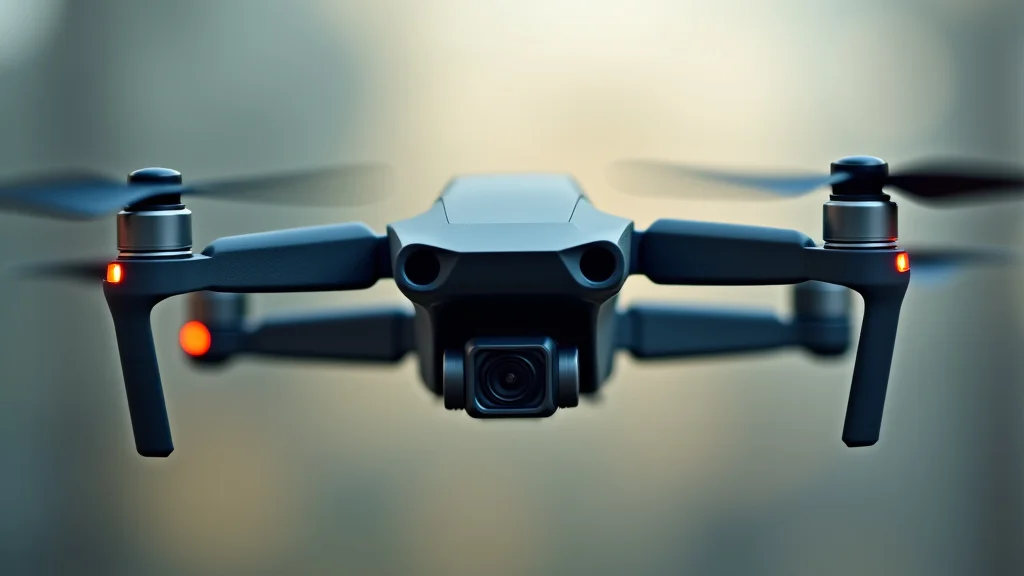
Picture this: You’re in the middle of capturing a stunning landscape with your DJI drone, the wind picks up, and suddenly… a prop malfunctions. Sound familiar? Finding the right drone parts DJI can sometimes feel like searching for a needle in a haystack. This guide cuts through the confusion, providing you with everything you need to know about DJI drone components, from understanding the different parts to troubleshooting common issues. You’ll gain a deeper appreciation for your drone’s mechanics, learn how to choose the right
Key Takeaways
- Learn the different components that make up DJI drones and their functions.
- Discover how to identify the specific parts you need for your model.
- Find out where to buy genuine and reliable drone parts DJI.
- Understand basic maintenance and troubleshooting tips to keep your drone in top shape.
- Explore common failure points and how to prevent them.
- Become a more informed drone pilot and make the most of your flying time.
Essential Components of Your DJI Drone
Your DJI drone, from the compact Mini series to the professional-grade Inspire models, is a marvel of engineering. It’s built with countless components working together, enabling smooth flights and capturing incredible aerial footage. The core parts are the heart of your drone’s function. Each element plays a unique role, contributing to flight stability, image quality, and overall performance. When any of these components fail, the function of your drone might be reduced or completely stopped.
The Flight Controller and Its Role
The flight controller is essentially the brain of your drone. It’s a small computer that processes information from various sensors and sends commands to the motors, controlling the drone’s movements. This component also manages the drone’s position, altitude, and orientation, using data from the GPS, barometer, and other sensors. It helps your drone stay stable, even in windy conditions, and enables features like automatic return-to-home. The flight controller is what takes your commands from the remote and makes them reality. Without this, your drone would be uncontrollable.
- Sensor Integration: It combines data from various sensors (IMU, barometer, GPS) to determine the drone’s position and orientation.
- Motor Control: The flight controller calculates the appropriate motor speeds to stabilize and maneuver the drone.
- Flight Modes: It handles different flight modes like GPS mode, Attitude mode, and Sport mode.
- Communication: The flight controller communicates with the remote controller and other onboard systems.
Propellers: The Wings of Flight
Propellers are perhaps the most visible part of a drone, and they are critical for producing lift and thrust. They are designed to spin at high speeds, creating a downward airflow that pushes the drone upwards. The shape, size, and material of the propellers greatly influence the drone’s flight characteristics, including speed, efficiency, and noise. Choosing the right propellers is vital for achieving optimal flight performance. Different DJI drones use specific propeller designs, so it’s essential to match the propellers to your drone model.
- Aerodynamic Design: Propellers are crafted to maximize airflow and minimize drag.
- Material Composition: They are commonly made from plastic, carbon fiber, or composite materials.
- Size and Pitch: Propeller size and pitch affect thrust, speed, and efficiency.
- Balance: Properly balanced propellers are important for smooth flight and reduced vibration.
Motors and Electronic Speed Controllers (ESCs)
The motors are responsible for spinning the propellers, generating the necessary thrust for flight. They are usually brushless DC motors, known for their efficiency and reliability. The Electronic Speed Controllers (ESCs) regulate the speed of the motors, responding to commands from the flight controller. ESCs receive signals from the flight controller and adjust the power delivered to the motors, allowing for precise control of the drone’s movements. They are designed to manage the high currents needed for these components.
- Brushless Motors: Known for efficiency, durability, and longer lifespan.
- Speed Control: ESCs regulate motor speed based on signals from the flight controller.
- Power Distribution: They manage the electrical power supplied to the motors.
- Protection Features: ESCs often include protection mechanisms against overcurrent and overheating.
Choosing the Right Drone Parts DJI
When you need to replace a part on your DJI drone, the options can be overwhelming. Knowing where to start and what to look for can make the process much easier. It’s important to find the right part for your specific drone model to ensure proper function and safety. Using a compatible part will help extend the life of your drone. The quality of the parts you use directly impacts your drone’s performance and reliability. By making the right choices, you will have a better flying experience.
Identifying Your Drone Model and Part Numbers
Before buying any drone parts DJI, the first step is to confirm your drone model. DJI drones come in various series (Mavic, Air, Phantom, Inspire, Mini), each with multiple versions and sub-models. Your drone’s model information is usually printed on the body of the drone or in the battery compartment. Once you know your drone model, you can find the specific part numbers for the components you need. These part numbers are found in the drone’s manual or on the DJI website. This will make certain you are purchasing the exact components that fit your specific drone and will prevent any compatibility issues. Correct part identification is critical for a smooth replacement process.
- Check the Drone’s Body: Look for model names and numbers printed on the drone’s exterior.
- Consult the Manual: Find the part numbers for each component listed in the user manual.
- DJI Website: Use the DJI website to search for compatible parts.
- Contact Support: Reach out to DJI support if you need assistance in identifying the correct parts.
Where to Buy Genuine DJI Parts
Purchasing genuine DJI parts is the best way to ensure the quality and compatibility of your components. They are engineered to perform properly with your drone. Purchasing directly from DJI or from authorized dealers guarantees you will receive authentic, high-quality parts. This will minimize the risk of malfunctions and optimize your drone’s performance. There are several reliable places to find genuine parts, including the DJI online store, authorized retailers, and reputable third-party vendors. Be careful of deals that seem too good to be true, and always verify the seller’s reputation before making a purchase.
- DJI Online Store: The official source for genuine DJI parts.
- Authorized Dealers: These retailers are authorized by DJI to sell their products.
- Reputable Third-Party Vendors: Some third-party vendors are authorized to sell genuine DJI products.
- Verify Authenticity: Always confirm that you are purchasing genuine parts by checking the packaging and seller reviews.
Understanding Aftermarket Parts
While genuine DJI parts are always recommended, the market offers various aftermarket components. Aftermarket parts are manufactured by other companies and are designed to be compatible with DJI drones. These can often be a more affordable alternative to genuine components. However, their quality and performance may vary. Before you buy, do your research to find reputable manufacturers and read reviews to ensure the part is reliable. Evaluate the specifications of the aftermarket parts and see if they meet your needs. Be aware of any warranty implications when using aftermarket parts, as they might void the drone’s original warranty.
- Research Manufacturers: Find manufacturers with good reputations and positive reviews.
- Check Compatibility: Make sure the parts are specifically designed for your DJI drone model.
- Read Reviews: Check customer feedback to assess the product’s quality and performance.
- Consider Warranty: Be aware of the warranty terms of both the drone and the aftermarket part.
Basic Maintenance and Troubleshooting
Maintaining your DJI drone and troubleshooting issues can extend its lifespan and performance. Regular maintenance tasks such as inspections and cleaning can help prevent problems from occurring. You can address simple issues on your own, saving you time and money. Proactive measures can help to identify issues before they become major problems. A drone that is well taken care of will provide more enjoyment. You can make certain your drone stays in the air longer by taking care of it.
Regular Inspection and Cleaning
Regularly inspecting your drone for any signs of wear and tear or damage is important. You should perform these inspections before and after each flight to ensure the drone is in safe and optimal condition. Examine the propellers, motors, camera, and other components for any damage. Check the frame for cracks or loose parts. Clean your drone regularly, removing any dirt, dust, or debris that might affect its performance. This will help your drone perform better and last longer. With regular inspection and cleaning, you can prevent many problems.
- Propeller Inspection: Look for cracks, chips, or damage.
- Motor Check: Make sure the motors spin freely and are free of debris.
- Frame Inspection: Check for cracks or loose screws.
- Cleaning: Use a soft brush or cloth to remove dust and dirt.
Common Failure Points and Solutions
Understanding the most frequent failure points on a DJI drone can help you be prepared. Propellers are often damaged through collisions or wear and tear, and they should be replaced when damaged. Battery issues, such as reduced flight time or swelling, can be caused by improper charging or storage, and it is crucial to follow the manufacturer’s guidelines. Motors can fail due to overheating or wear, so regular inspections are essential. The camera gimbal may get stuck or malfunction because of impacts or obstructions. Addressing these common problems promptly can improve the reliability of your drone. You can maintain its performance by keeping these tips in mind.
- Propeller Damage: Replace damaged propellers immediately.
- Battery Issues: Follow charging and storage guidelines.
- Motor Failure: Regularly inspect motors for proper function.
- Gimbal Malfunctions: Inspect the gimbal for obstructions.
Troubleshooting Common Issues
If you encounter any problems with your DJI drone, you can take these steps to resolve them. If your drone won’t take off, inspect the propellers and motors to verify proper operation and correct installation. If the drone is drifting, calibrate the IMU and compass to resolve potential sensor errors. If the video feed is interrupted, check for radio interference or reposition the antenna. Follow the manufacturer’s troubleshooting guide. If problems continue, seek support from DJI or a qualified repair professional. A simple reset can sometimes fix many problems.
- No Takeoff: Check propellers and motors.
- Drifting: Calibrate the IMU and compass.
- Video Feed Issues: Look for interference or antenna problems.
- Error Messages: Consult the user manual and error codes.
Common Myths Debunked
Myth 1: All Drone Parts Are Interchangeable
It’s a common misconception that all drone parts can be used interchangeably. In reality, components are very drone-specific. This is particularly true for DJI drones, which are designed to work with their parts. Using an incorrect part can lead to a variety of issues, from poor flight performance to complete system failures. You need to make sure the part is compatible with your drone model. Always refer to your drone’s manual. Verify the specifications before replacing any component to ensure a proper fit.
Myth 2: Aftermarket Parts Are Always Inferior
There’s a belief that all aftermarket parts are inferior to genuine DJI components. While the quality can vary, some aftermarket manufacturers produce high-quality parts that perform similarly. Some aftermarket parts are even better, offering features not found in original DJI parts. The key is to select components from trusted and reputable brands, carefully review customer feedback, and verify their specifications. Before you buy, consider the build materials and whether they fit your requirements. By making informed choices, you can often find reliable alternatives. Careful research can help you choose the best components.
Myth 3: You Can Ignore Maintenance
Some drone users assume that DJI drones require minimal maintenance, but this is untrue. Drones, like any complex machinery, need consistent care. Routine checks, cleaning, and occasional adjustments are essential to keep your drone operating at its peak. Regular inspections of the propellers, motors, and frame are vital. Regular maintenance will prevent potential problems and extend the life of your drone. Cleaning off dust and debris from sensors and components also helps. It’s best to follow the manufacturer’s guidelines to prevent issues, maintain performance, and ensure safety.
Myth 4: Upgrading Parts Always Improves Performance
You may believe that replacing parts on your drone will always boost performance. While replacing a worn component can restore performance, simply upgrading parts may not always improve the drone’s capabilities. For instance, putting larger propellers might need motor upgrades. Improvements are often incremental. It is vital to assess whether the upgrade fits your needs. To make a difference, upgrades need to align with your drone’s existing systems. Before upgrading, make sure the drone’s firmware supports the new components. Evaluate the impact of upgrades to your drone’s overall capabilities.
Myth 5: Drone Parts DJI Are Extremely Expensive
Many believe that all drone parts DJI are highly priced. While some components can be costly, depending on the model and the part, many are reasonably priced. The cost of parts varies based on their nature, from simple propellers to advanced components like cameras or batteries. Costs may vary based on where you purchase parts. Look for deals from DJI or authorized dealers to find the best value. Weigh up the long-term benefits of original components. The cost depends on the model of your drone and the part. You can keep your drone in good shape without spending too much.
Frequently Asked Questions
Question: How often should I replace my drone propellers?
Answer: Replace propellers if they are damaged or show signs of wear. Check them before each flight and replace them if you see cracks, chips, or bends. It’s often best to replace them if you’ve had a crash.
Question: Where can I find the serial number of my DJI drone?
Answer: The serial number is usually found on the drone’s body, on the battery compartment, or in the drone’s original packaging. You can also find it in the DJI Fly app.
Question: Can I use a higher-capacity battery in my DJI drone?
Answer: It’s best to use batteries that are specifically designed for your drone model. Using a different capacity might damage the drone or affect flight performance.
Question: How do I calibrate the IMU on my DJI drone?
Answer: You can calibrate the IMU through the DJI Fly app. The process is easy to follow in the app’s settings menu under the calibration options.
Question: What do I do if my drone crashes and parts are damaged?
Answer: First, assess the damage and identify the parts that need replacing. Then, consult your drone’s manual to find the correct parts. Purchase the parts and follow the instructions to put your drone back together. If you’re not sure, seek professional help.
Final Thoughts
Knowing drone parts DJI opens up a whole new world of control. You’ve now gained an in-depth understanding of the vital components that power your aerial adventures, from the flight controller to the motors, and beyond. You now know the importance of identifying and selecting the correct