
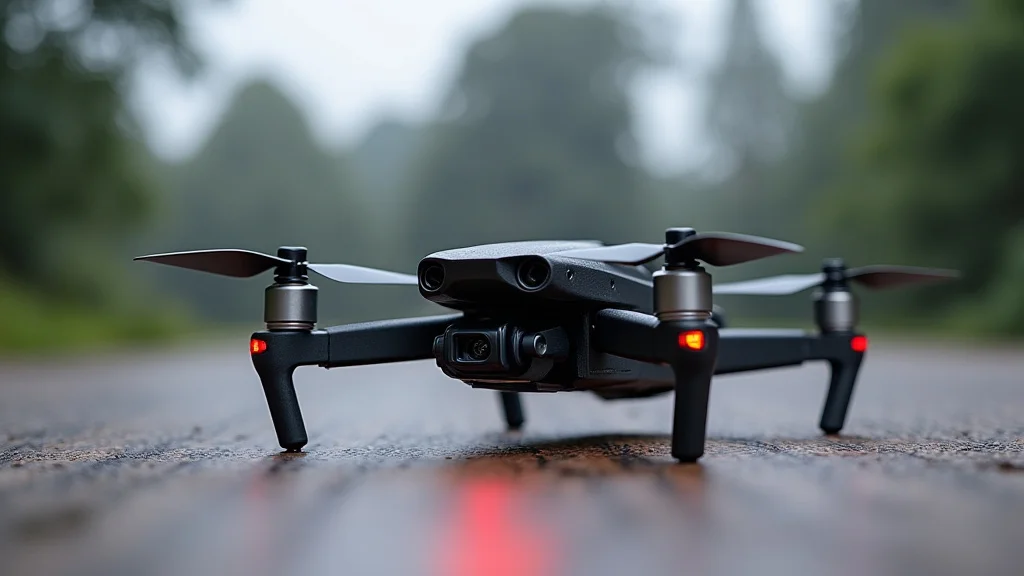
Remember that time your friend showed off their awesome FPV drone, zipping around like a tiny spaceship? You were instantly hooked, right? Building your own FPV drone can seem complicated, but it’s totally achievable! This guide breaks down the fpv drone parts list into manageable chunks, so you can build your own flying machine. You will find a straightforward explanation of each part, and the key considerations when choosing them. You will know what tools you need, and the importance of each part. You’ll also learn to avoid common mistakes, so you can start flying sooner. You’ll gain the knowledge to confidently build your own drone and experience the thrill of FPV flight.
Key Takeaways
- You will learn the essential components required for building an FPV drone.
- You’ll grasp how each part functions and how they work together.
- You’ll understand the importance of choosing the right parts for your needs.
- This guide will show how to select components that are compatible with each other.
- You will be ready to build your own drone.
- You will know where to purchase the drone parts.
Essential FPV Drone Components
Let’s explore the core components that make up an FPV drone. These parts work together to allow flight, control, and the immersive first-person view. Each part plays a vital role in the overall functionality and performance of the drone. By learning about each piece, you will be equipped to select the right components for your build and ensure a smooth, enjoyable flying experience. We’ll explore each part in detail, including how they work, why they are important, and what to consider when choosing them.
Flight Controller (FC)
The Flight Controller (FC) is the brain of your FPV drone, managing all the movements and ensuring it flies correctly. It receives signals from your radio receiver and uses them to control the motors. The FC contains a microcontroller and sensors like a gyroscope and accelerometer. These sensors help it understand the drone’s orientation in space. The FC analyzes the data from these sensors and sends commands to the motors to maintain stability, execute maneuvers, and keep the drone in the air. The FC also handles other functions, such as the OSD (On-Screen Display) and Blackbox data logging. The quality and features of your FC can significantly impact the drone’s flight performance, so choosing a good one is very important.
- Microcontroller: This is the “brain” of the flight controller, processing all the information from the sensors and your remote control to control the drone’s movements. The speed and processing power of the microcontroller have a direct impact on flight performance. Faster processors mean faster response times, and smoother, more responsive handling. Microcontrollers come with varying bit depths (e.g., 32-bit), affecting their computational capabilities.
- Gyroscope: This sensor measures the angular rate of the drone’s movement (how fast it’s rotating) around each of its axes (roll, pitch, and yaw). The gyroscope is essential for keeping the drone stable and making it resistant to wind or other disturbances. This sensor allows the drone to automatically correct for any tilting or rotation. The gyroscope sends data to the microcontroller, enabling it to make adjustments to maintain the drone’s orientation.
- Accelerometer: The accelerometer measures linear acceleration, which tells the flight controller how the drone is moving up, down, forward, backward, and side to side. It helps with self-leveling, maintaining a set altitude, and detecting changes in speed. It’s especially useful in assisting in stable flight. It also gives the pilot more precise control and a better feel for the drone’s position in space.
Electronic Speed Controllers (ESCs)
Electronic Speed Controllers (ESCs) are the powerhouses that drive your drone’s motors. They receive signals from the flight controller and regulate the speed of each motor, allowing for precise control and movement. They convert the power from the battery into a form that the motors can use. ESCs handle significant electrical loads and must be matched to your motors and battery for optimal performance and safety. Selecting ESCs requires consideration of several factors, including current rating, compatibility with the motors and flight controller, and desired features like telemetry and the ability to handle different types of motors.
- Current Rating: ESCs are rated for the maximum current they can safely handle. Choosing ESCs with an appropriate current rating is important for preventing overheating and failure. The ESC current rating should match or exceed the maximum current draw of your motors. A higher rating provides a safety margin.
- Firmware: Firmware is the software that runs on the ESC, controlling its behavior. Different ESC firmware options offer various features, such as advanced motor control algorithms and telemetry data. Firmware selection is important for optimizing the performance of your drone. There are numerous firmware options, such as BLHeli, which provides configurable settings.
- Communication Protocols: ESCs communicate with the flight controller using different protocols. Protocols like DShot and ProShot offer improved performance, faster communication speeds, and more accurate motor control. Understanding different communication protocols will allow you to make decisions regarding responsiveness. Choosing compatible protocols between the ESCs and flight controller is essential for optimal performance.
Motors
Motors are what make your drone fly! They convert electrical energy into mechanical energy, spinning the propellers to generate lift and thrust. The selection of motors has a great impact on the performance of your drone. Various motor sizes and KV (kV is the measure of RPM per volt) ratings determine the thrust, speed, and efficiency of your drone. Matching the motors to your frame size, propeller size, and battery voltage is important to achieve the desired flight characteristics. Selecting the right motors is key to getting the flight experience you want.
- KV Rating: KV is a rating that indicates the motor’s speed characteristics. Higher KV motors spin faster at a given voltage, providing more power and speed. Lower KV motors spin slower, but may offer greater efficiency and longer flight times. Choosing the correct KV rating depends on the intended use of the drone, and other components, like the battery.
- Motor Size: Motor size is important when considering the overall design of the drone. Motor size impacts the thrust of your drone. Selecting a motor size that fits the frame and propeller size is critical for optimal performance. You can use online calculators to select the right motor sizes for your drone.
- Motor Mounting: Motor mounting is an important aspect for the build. It ensures a secure connection to the frame. The type of mounting affects how well the motor holds up to the forces of flight. Different frames utilize different mounting patterns. Choosing a motor with a mounting pattern that matches your frame is very important.
Propellers
Propellers generate the lift that keeps your drone in the air. The design and size of the propellers greatly influence flight characteristics, performance, and efficiency. Selecting the right propeller depends on factors such as motor size, battery voltage, and desired flight style (racing, freestyle, etc.). Different propeller shapes, sizes, and materials impact the drone’s speed, maneuverability, and overall flight characteristics. The correct propeller will ensure the drone flies in the most efficient manner.
- Size: Propeller size is defined by its length and pitch. Length indicates the diameter of the propeller, and the pitch is a measurement of how far the propeller advances in one revolution. Larger propellers produce more thrust but require more power. Smaller propellers offer improved agility and lower current draw. Matching propeller size to your motor and frame size is important.
- Material: Propellers are made from various materials, such as plastic, carbon fiber, and polycarbonate. Materials impact durability, weight, and performance. Plastic propellers are inexpensive and lightweight. Carbon fiber propellers offer greater strength. Polycarbonate propellers combine strength and flexibility.
- Shape: Different propeller blade shapes influence flight characteristics. Blades can have different shapes, such as curved, flat, or twisted, affecting factors like lift, thrust, and efficiency. Props are available with different blade counts, which impact flight characteristics. Selecting the right shape depends on the desired performance characteristics.
Radio Receiver and Transmitter
The radio receiver and transmitter enable you to control your drone. The transmitter is the handheld device you use to send control signals, and the receiver is mounted on the drone and interprets these signals. The choice of radio system influences range, latency (delay), and reliability. Different protocols offer varying features and performance characteristics. Choosing a compatible and reliable radio system is critical for a safe and responsive flight experience.
- Frequency: Radio systems operate on different frequencies, such as 2.4 GHz and 900 MHz. 2.4 GHz is most common. 900 MHz offers longer range, but can be susceptible to interference. Selecting a frequency that works in your environment is important. Radio interference can reduce range and control signals.
- Protocols: Communication protocols are used to transmit data between the transmitter and the receiver. Different protocols offer varied features such as signal range and latency. Some protocols, like Crossfire, provide great range. Choosing a compatible protocol between the transmitter and receiver is essential.
- Range: The range of a radio system is how far you can fly the drone before losing the signal. Range is affected by frequency, power, and environmental factors. Consider the range you need for your use case, and the possible interference. Selecting a radio system with sufficient range for your use is important.
FPV Camera and Video Transmitter
The FPV camera and video transmitter are how you see what your drone sees. The FPV camera captures the video, and the video transmitter sends the signal back to your goggles or monitor. These components are essential for the immersive FPV experience. Choosing components with good image quality, low latency, and a reliable signal transmission is crucial for enjoying FPV flight. This will help with safe flying, and also the overall flight experience.
- Camera Resolution: The resolution of your camera determines the image quality you’ll see. Higher resolution provides a sharper, more detailed image. However, it can also lead to increased latency. Consider your needs and budget when choosing camera resolution. A higher resolution provides a more detailed image.
- Video Transmitter Power: Video transmitter power determines the range of your video signal. More power increases the range, but it can also consume more battery and be subject to restrictions. Choose a power level that fits your flying environment and desired range. More power can transmit farther, but can reduce flight time.
- Antenna: The antenna on both the video transmitter and receiver are important for signal quality. High-quality antennas improve range and reduce interference. Different antenna types are designed for different flight styles. A good antenna will provide a clear video signal. Choosing the correct antenna is key to getting a good video transmission.
Battery and Charger
The battery is the power source for your FPV drone, and the charger keeps it charged and ready to fly. Lithium Polymer (LiPo) batteries are the most common type used in FPV drones. They offer a good balance of power and weight. Battery capacity (measured in mAh) and voltage (measured in V) determine flight time and the power available to your drone. Choosing the right battery and charger is important for safety, performance, and longevity. Improper handling of LiPo batteries can be dangerous, so it’s important to understand how to use and care for them.
- Capacity: Battery capacity is measured in milliampere-hours (mAh), which determines how long the drone can fly. Higher capacity batteries offer longer flight times but may also be heavier. Choosing the right capacity depends on your flight style and desired flight time. A larger mAh equals a longer flight time.
- Voltage: The voltage of a LiPo battery determines the power available to your drone. Common voltages include 3S (11.1V), 4S (14.8V), and 6S (22.2V). Selecting the correct voltage depends on your motors and ESCs. The correct voltage will ensure your drone operates safely.
- Charger: A good charger is necessary to charge LiPo batteries safely. LiPo chargers should have features such as balance charging, overcharge protection, and discharge capabilities. It’s crucial to charge LiPo batteries in a fire-resistant bag for safety. A good charger will extend the life of your batteries.
Frame
The frame is the structural backbone of your drone, holding all the components together. It protects the electronics and determines the drone’s size, weight, and overall performance. Frames are made from various materials, with carbon fiber being the most popular due to its strength-to-weight ratio. The frame design influences the drone’s aerodynamics, stability, and durability. Selecting a frame that suits your flight style, skill level, and component choices is important. It also provides a base for building your drone.
- Material: Carbon fiber is a commonly used material because of its strength-to-weight ratio. Different materials, such as carbon fiber and metal, impact the durability, weight, and performance of the drone. Carbon fiber is lightweight. Aluminum is more durable.
- Size: Frame size is typically measured in millimeters, such as 210mm or 220mm, which is the distance from motor to motor diagonally. Frame size affects the overall size, flight characteristics, and how agile the drone is. Larger frames can accommodate larger propellers and offer more stability. Smaller frames may be more agile.
- Design: Frame design influences aerodynamics, stability, and durability. Different designs are better suited for different flight styles. The design impacts the overall performance and how you can fly the drone. Consider the design when building the drone for different flight styles.
Tools and Accessories
Besides the main components, you’ll need some tools and accessories to build and maintain your FPV drone. These tools will help you to assemble, test, and troubleshoot your drone. Having the proper tools and accessories makes the building process easier and more enjoyable.
Soldering Iron and Solder
Soldering is a key skill for assembling your drone. A soldering iron is used to join electronic components by melting solder, which creates electrical connections. You will use a soldering iron to connect wires to the ESCs, flight controller, motors, and other components. The quality of your soldering equipment and the soldering skills can greatly affect the reliability and performance of your drone. You need to keep the tip clean. You also need to keep your soldering skills practiced.
- Soldering Iron: A temperature-controlled soldering iron is recommended. This allows you to set the appropriate temperature for soldering delicate electronic components. The correct temperature will prevent damage. Choose a soldering iron with a variety of tips to address different soldering tasks.
- Solder: Use quality solder with a rosin core. This will help with the flow of solder and create reliable joints. You can buy solder at different diameters. Using the correct diameter solder makes for a good solder joint.
- Soldering Accessories: Include accessories such as a solder sucker (desoldering tool), helping hands (to hold parts), and a cleaning sponge for the soldering iron tip. Proper tools make the soldering process easier. These accessories will help you with assembly and repairs.
Screwdrivers and Hex Keys
These tools are essential for assembling and disassembling your drone. Having the correct screwdrivers and hex keys will help you to tighten screws, assemble the frame, and secure components. It’s important to use the correct sizes and types of screwdrivers and hex keys to avoid damaging the screws or frame. Selecting the right tools for the job helps with the assembly process and ensures that the drone is built correctly.
- Screwdrivers: You will need a set of small screwdrivers. Consider a set with different head types. You will likely use Phillips head and flathead screwdrivers to secure components. Having screwdrivers of various sizes is also important.
- Hex Keys: Also known as Allen keys, hex keys are important for tightening the screws. You should have a set of hex keys that fit the screws on your frame and motors. Choosing a hex key set with various sizes will help in the assembly.
- Tool Quality: Purchase a quality screwdriver and hex key set made of durable materials. This will extend the life of your tools. Good quality tools will help ensure the screws are tightened properly.
Multimeter
A multimeter is a multi-purpose tool for measuring electrical parameters like voltage, current, and resistance. It’s a key tool for checking for shorts, verifying connections, and troubleshooting electrical issues. You can use it to verify the power output of the battery, to test for continuity, and to check for damaged wires. The multimeter provides valuable insight into the electrical health of your drone. Having a good multimeter will assist in the assembly and will help you to troubleshoot issues.
- Voltage Measurement: Use the multimeter to measure the voltage of your battery. This can help you to determine if the battery is fully charged or if it needs to be replaced. Verify the voltage of the battery before flying.
- Continuity Testing: Use the continuity test function to ensure the electrical circuit is complete. You can use it to test for shorts. This function helps identify broken wires.
- Current Measurement: You can measure the current draw from the motors. This will help you to assess the performance and efficiency of the components. Measuring the current helps you verify that the electrical system is operating within the specified parameters.
Zip Ties and Heat Shrink Tubing
Zip ties and heat shrink tubing are small but important accessories. Zip ties are used to organize wires. Heat shrink tubing is used to insulate and protect electrical connections. Both accessories help keep your drone neat, organized, and protected. Using them will help make the drone safer.
- Zip Ties: Use zip ties to secure wires to the frame and other components. This will keep everything organized and prevent wires from getting caught in the propellers. Choose small zip ties for flexibility.
- Heat Shrink Tubing: Use heat shrink tubing to insulate and protect soldered connections and exposed wires. Select the right diameter to snugly fit over the wires. Proper use of heat shrink tubing prevents shorts and electrical hazards.
- Wire Management: Well-managed wiring reduces the risk of shorts and provides a cleaner build. Neat wiring improves the performance and appearance of the drone. It will also help with troubleshooting.
FPV Drone Parts List: Where to Buy
You can find FPV drone parts at online retailers, drone specialty stores, and local hobby shops. Many sources offer a wide selection of parts and accessories, enabling you to build the drone to your specifications. You should compare prices, and check shipping costs. The quality of customer service and return policies are also important when selecting a source.
- Online Retailers: Online retailers such as Amazon and eBay are great places to find parts. These retailers offer a variety of options. Research sellers and reviews. Online retailers have the benefit of convenience, but you will want to compare prices.
- Drone Specialty Stores: These stores specialize in FPV drones and offer a curated selection of parts. Specialty stores will help you to select the right parts. These stores can be a good source for getting advice.
- Local Hobby Shops: Local hobby shops are good sources to find parts. They may have a limited selection. You can speak to a salesperson. Local hobby shops can provide immediate access to parts, but may have higher prices.
Common Myths Debunked
Myth 1: Building an FPV drone is only for experts.
In reality, building an FPV drone is doable for anyone with a willingness to learn. Many online resources and communities offer tutorials. Start with a basic kit and work your way up. Assembling a drone is like putting together a puzzle, with each component fitting into its designated spot. There are many resources that can help you with the construction process.
Myth 2: More expensive parts always mean better performance.
While quality parts are important, a higher price doesn’t always guarantee better performance. The performance of a drone depends on many factors. Component compatibility, and your skill level also affect performance. Focus on choosing components that meet your needs. Research and choose components carefully, considering specifications and reviews. Balance the cost with your desired experience.
Myth 3: You need a lot of experience to start flying FPV.
You don’t need years of flying experience to fly FPV. Learning the basics of flight and practicing in a flight simulator will help. You can start with beginner-friendly drones to build your skills. FPV offers a thrilling experience. With practice, you can quickly improve your skills. Practice makes perfect.
Myth 4: FPV drones are always difficult to repair.
FPV drones are modular and simple to repair. Many parts can be replaced, which makes repairs easier. Having spare parts on hand makes it easier to fix problems quickly. Many online tutorials explain how to fix a drone. You should have a few spare parts.
Myth 5: It’s okay to skip the safety checks.
Safety checks are very important. Checking your drone before each flight can save you a lot of grief. Make sure your propellers are installed correctly. Always inspect the batteries for any damage. Ensure all connections are secure and the flight controls are working. Take your time, and do a complete check before flying.
Frequently Asked Questions
Question: What’s the best frame size for beginners?
Answer: For beginners, a 210mm to 220mm frame size is a good starting point. This size is maneuverable, but still offers good stability. You should select a frame size depending on how you plan to use it.
Question: How long does a typical FPV drone flight last?
Answer: Flight times typically range from 3 to 10 minutes, depending on the battery capacity, motor efficiency, and flying style. Battery life varies with the type of flying you’re doing. You should plan for a few batteries to increase flight time.
Question: What’s the difference between a 3S and a 4S battery?
Answer: The “S” rating refers to the number of cells in the battery. A 3S battery (11.1V) has less power than a 4S battery (14.8V). 4S batteries offer more power and performance, but they require components compatible with the higher voltage.
Question: Can I use any radio transmitter with my drone?
Answer: No, you must use a transmitter that is compatible with your drone’s receiver. The transmitter and receiver must use the same communication protocol (e.g., FrSky, FlySky, Crossfire) to communicate with each other.
Question: How often should I replace propellers?
Answer: Replace your propellers when they are damaged or show signs of wear and tear. Even small chips or cracks can affect performance and increase the risk of a crash. Inspect your propellers regularly. Replace a damaged propeller.
Final Thoughts
Building an FPV drone is a fun and rewarding experience. From selecting components from the fpv drone parts list to the first time you take flight, it provides a unique opportunity to explore this hobby. By now you’ve explored the main components, understood their function, and know where to find them. Remember that research is key. Start with a solid foundation, and take your time. You can learn along the way. Be sure to follow safety precautions, and join online communities. Practice, and improve your skills. Building and flying your own FPV drone is an exciting adventure, and you’re well-equipped to start. The thrill of FPV flight awaits!