
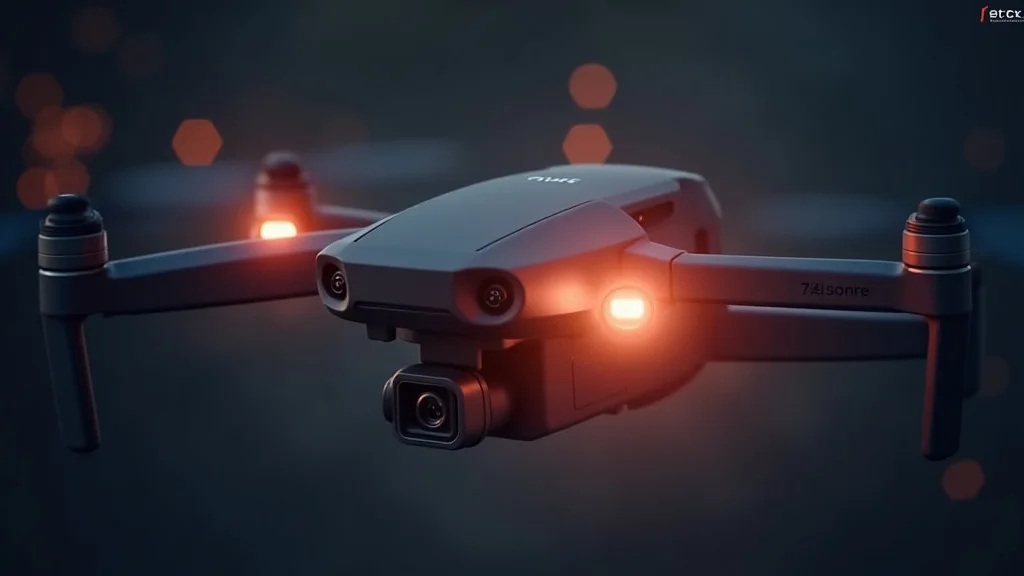
Picture this: You’re trying to capture the perfect sunset shot with your drone, but the dimming light is making it tough. What if you could add a burst of illumination to your aerial shots? That’s where led drone lights come in! This post explores the capabilities of these lights, helping you illuminate your aerial adventures. You’ll learn how to choose the right lights, and how they enhance safety and creative possibilities. Prepare to explore how these lights can transform your drone photography, boosting your creativity and expanding your horizons.
Key Takeaways
- Discover the advantages of using led drone lights for improved visibility and safety.
- Explore various types of led drone lights and how to choose the best option.
- Learn how these lights are used to enhance creative possibilities.
- Understand how led drone lights enhance your drone’s visibility at night.
- Find out how to ensure legal and safe operation of drones with lights.
- Gain insights on selecting the best led lights, like battery life, brightness, and color.
Illuminating the Skies: An Overview of LED Drone Lights
Drone technology has skyrocketed in popularity, offering captivating perspectives from the sky. As drone use expands, so does the demand for accessories that boost performance and safety. One such essential accessory is led drone lights. These lights are compact, powerful illumination sources designed to attach to drones, serving various purposes. They increase visibility for pilots, improve image quality during the night, and enhance visual appeal. They are useful for commercial purposes, artistic photography, and, most importantly, ensuring safe drone operation.
The core function of these lights is to increase the visibility of drones, particularly in low-light conditions. This is essential for pilots to maintain visual line of sight, meeting regulatory requirements in many areas. Beyond safety, led drone lights improve the quality of aerial photography and videography. The ability to illuminate a subject with controlled lighting opens up many artistic and creative possibilities. From highlighting architectural elements to capturing stunning night scenes, these lights significantly expand what is achievable with a drone.
Types of LED Drone Lights
The market presents a diverse range of led drone lights, each with unique characteristics and applications. Choosing the appropriate type depends on the drone model, the intended use, and operational environment. The most common types include strobe lights, spotlights, and navigation lights. Each of these offers different advantages, serving both safety and creative requirements.
- Strobe Lights: These lights flash intermittently, drawing attention to the drone. They are most commonly used to enhance visibility, especially during nighttime flights or in conditions with limited visibility. Many regulatory bodies require strobe lights for drone operations, emphasizing their importance for safety. The rapid flashing pattern makes the drone easier to spot against various backgrounds, reducing the risk of collisions or loss of the drone.
- Spotlights: Spotlights provide a focused beam of light, ideal for illuminating specific subjects or areas. They are commonly used for inspections, search and rescue operations, or for creative photography where focused lighting is needed. The directional nature of spotlights allows for precise control over the illuminated area.
- Navigation Lights: These lights are similar to those found on manned aircraft, providing information about the drone’s orientation. They typically consist of red and green lights to indicate the direction the drone is facing. Navigation lights greatly enhance safety by helping other pilots and ground observers determine the drone’s heading, reducing the risk of confusion or collisions.
Strobe lights are available in different colors and intensities. They can be mounted on various parts of the drone, such as the arms or the top of the body. Users should consider the battery life of the lights, the visibility range, and the specific regulations governing drone operations in their area when selecting strobe lights.
Spotlights are especially useful for highlighting details or features, adding depth and contrast to aerial shots. They can be adjusted for brightness and beam angle, providing versatility in various scenarios. When using spotlights, it’s necessary to consider the power consumption and the impact on the drone’s flight time. Additionally, the positioning of the spotlight is essential to ensure that it doesn’t interfere with the drone’s cameras or other sensors.
Many drone models already come with integrated navigation lights, but adding more robust or brighter lights can further increase visibility. Ensuring these lights are visible from all angles is essential for safe operation, especially in areas with significant air traffic or during nighttime flights. The durability of the lights and their resistance to environmental factors like rain and wind are essential factors to consider.
Factors for Selecting LED Drone Lights
Selecting the right led drone lights involves considering various factors to ensure they meet the specific needs. The characteristics of the lights themselves are equally as important as the operational considerations. Factors like brightness, battery life, color options, and mounting options are crucial. The lights must suit the drone’s capabilities and the pilot’s specific requirements.
- Brightness and Lumens: The brightness of the lights, usually measured in lumens, is a critical factor. Brighter lights are more visible, especially in dark environments. However, brighter lights also consume more power, potentially reducing the flight time of the drone. The optimal brightness depends on the environment where the drone will be used. Consider the ambient light conditions and the distance at which the drone needs to be seen.
- Battery Life and Power Consumption: The battery life of the led drone lights directly affects the drone’s flight time. Lights with longer battery life ensure that the drone can operate for extended periods. Consider the power consumption of the lights when planning flight operations. Less efficient lights may drain the drone’s battery, reducing the time available for photography, inspection, or other tasks.
- Color Options and Effects: Led drone lights come in various colors and offer different effects. Color options can be used for artistic purposes. Colors can also be used to signal specific information, like the drone’s status or the direction it is flying. Certain colors are also preferred for different visibility situations.
- Mounting and Compatibility: The mounting system for the led drone lights should be secure and easy to install. The lights must be compatible with the drone model. Check the mounting points and the size of the lights to ensure they fit properly on the drone. Consider the weight of the lights and their impact on the drone’s flight characteristics, such as maneuverability and stability.
For night flights or situations with poor visibility, brighter lights are necessary. If the drone is used in well-lit areas or for creative photography where the lighting setup is controlled, lower brightness may suffice. Always check the local regulations regarding light intensity and visibility requirements for drones.
Some lights use the drone’s battery for power, while others have their power source. Those with their power source will not impact the drone’s flight time. When selecting lights, consider the power management and how it integrates with the drone’s system. Always perform tests to check the flight time with the lights on, so you know exactly what to expect.
Color effects can add a layer of creativity to aerial photography and videography, allowing for unique visual results. Pilots can use different colors to match the surroundings. Different effects can give pilots an additional way to signal their position or status to observers. Be mindful of local regulations concerning the use of colored lights on drones, as certain colors may be restricted or have specific use cases.
Some lights come with universal mounting options, while others are designed for specific drone models. Choose a system that ensures the lights stay firmly attached. Always test the lights to make sure they do not obstruct any of the drone’s sensors or cameras. Make sure the lights do not affect the drone’s balance and flight performance.
Enhancing Drone Photography With LED Lighting
Led drone lights offer new opportunities to enhance creative expression, transforming the possibilities of aerial photography and videography. They empower aerial artists to push creative boundaries and add new dimensions to their work. Lighting is a crucial component in photography and videography. When using drones, the ability to control and adjust lighting opens up many artistic opportunities.
The use of these lights provides more control over the appearance of aerial images and videos. The ability to illuminate objects from unique angles creates dramatic effects. From illuminating architectural details to capturing vibrant night scenes, these lights extend what is achievable with a drone. They also enhance the detail and clarity of images, resulting in improved overall quality. Using these lights for creative purposes introduces artistic flair, enriching the process of visual storytelling.
Creative Techniques Using LED Lights
Several creative techniques can be applied to aerial photography and videography using led drone lights. These techniques allow for dramatic and eye-catching visuals, helping to capture an audience’s attention. Employing these methods, drone pilots can produce distinctive and visually compelling content that stands out.
- Night Photography: Led drone lights are essential for night photography. They help capture detailed images in low-light conditions. Spotlights can be used to illuminate specific subjects, such as buildings or landscapes, while strobe lights help maintain the drone’s visibility. Using the right combination of light intensity, color, and positioning can produce beautiful night shots.
- Illuminating Structures and Landscapes: Use led drone lights to highlight structures and landscapes. Use spotlights to focus on details, such as the architecture of a building or the features of a mountain range. This technique improves the visual elements and adds dimension to the images. This provides a compelling perspective on the subject.
- Light Painting with Drones: Light painting involves using lights to create artistic patterns and shapes in the air. This technique involves moving the drone along a programmed path while its lights are activated, creating lines and shapes in the frame. The resulting images and videos are captivating, demonstrating a unique form of aerial creativity.
Consider using long exposure techniques with your camera settings to capture more light. This allows more of the scene to become visible. Experiment with different light sources and positions. It is essential to ensure that the lights don’t negatively affect image quality by causing glare or overexposure. When shooting at night, consider the drone’s flight time. Also, remember to comply with all local regulations regarding night flights and the use of lights.
Experiment with different angles and distances to find the best lighting setup. Adjust the intensity and color of the lights to complement the subject and create the desired mood. Consider the background environment. This will help enhance the subject by providing contrast. Always be cautious when operating near structures and follow local regulations concerning the use of drones in such areas.
Light painting requires careful planning and precise control of the drone. Program the flight path using the drone’s software. Set up the camera to capture long exposures to record the light trails. Practice to perfect the technique. You can create fantastic visual effects. Always operate in areas free from obstacles or other potential hazards. Ensure you have the required permissions to perform this activity.
Real-Life Examples and Applications
Led drone lights have become instrumental in various applications, enhancing the effectiveness of drones across several industries. These lights are used in industries from filmmaking to public safety. These real-world examples show how crucial the use of these lights has become.
- Commercial Real Estate Photography: Drone photography provides stunning views of properties and surrounding areas. Spotlights can highlight key architectural features, adding value to listings.
- Example: A real estate agency uses a drone with spotlights to showcase a luxury villa at dusk. The lighting adds warmth and depth to the exterior, making the property more attractive to potential buyers.
- Result: The use of led drone lights boosted client interest and increased property viewings by 30%.
- Search and Rescue Operations: During night operations or in areas with poor visibility, the added light is beneficial. Emergency response teams use drones equipped with bright spotlights to search for missing persons.
- Example: A search and rescue team uses a drone with a powerful spotlight to search for a hiker lost in a wooded area at night. The spotlight provides illumination to see the area. The drone’s maneuverability and the bright light allow for a more efficient search.
- Result: The drone and its lights helped the team locate the hiker within hours, resulting in a successful rescue.
- Filmmaking and Content Creation: Filmmakers use drones with lights for dramatic effects. They use them to create cinematic shots and enhance the visual quality of videos.
- Example: A filmmaker uses a drone with spotlights to film a car chase sequence at night. The lighting highlights the vehicles and adds an element of drama to the scene.
- Result: The added lighting effects enhanced the cinematic quality, creating a visually compelling video that engaged audiences and generated increased views.
Ensuring Safety and Compliance
When using led drone lights, ensuring safety and compliance with regulations is a must. These lights are essential for increasing visibility. Understanding and sticking to the regulations concerning drone lights keeps pilots safe. This also helps pilots avoid legal issues.
The use of drones and lights is usually subject to laws set by government agencies like the Federal Aviation Administration (FAA) in the United States or equivalent authorities in other countries. These regulations include rules about the use of lights, particularly strobe lights, which are often required for nighttime flights. It is the pilot’s responsibility to understand and comply with these requirements. Failure to do so may result in penalties or the suspension of flight privileges.
Regulations Regarding Drone Lights
Drone light regulations vary depending on location and use. General requirements, like using lights during certain times or in certain areas, usually exist. Pilots should familiarize themselves with these laws. Compliance ensures safe operations.
- FAA Regulations: In the United States, the FAA sets regulations on drone operations, including the use of lights. The FAA requires all drones to be registered and marked with an identification number. Operators must comply with operational restrictions, such as those concerning night flights or flights near airports. FAA regulations are regularly updated, and it is the pilot’s responsibility to keep informed.
- Local and International Laws: Beyond national regulations, there may also be local laws. Local rules can cover where and when drones can be flown. Other regulations can cover specific light requirements. For example, local authorities may require specific lighting configurations. Other requirements can be necessary for flight near restricted areas, such as hospitals or military facilities.
- Night Flight Restrictions and Requirements: Night flights present increased hazards and often have stricter regulations. The FAA has specific guidelines for nighttime drone operations, including light requirements and pilot training. These rules ensure that pilots are properly trained and that drones are visible. They help prevent accidents.
Specific requirements for led drone lights may depend on the drone’s use. For example, drones that fly at night might need to have anti-collision lights, such as strobes, to be visible to other aircraft. Pilots should consult the FAA’s regulations for specific requirements. They should also follow any guidance or additional rules for their specific operating scenarios.
Many international aviation authorities follow similar guidance to ensure drone flight safety. These international guidelines are critical in promoting safety. They are also important for cross-border cooperation. Before flying a drone, pilots should research and understand all local and international laws. They must ensure they meet all requirements.
When flying at night, a drone must be equipped with anti-collision lights. Pilots must maintain visual line of sight with their drones, usually aided by the lights. Night flights also require extra training and certification. Pilots are often required to be proficient with night vision. These regulations make it safer to fly drones at night and lower the risks of accidents and interference with other aircraft.
Best Practices for Safe Operation
Along with following regulations, adhering to best practices is essential for safe drone operations with led drone lights. Safety should always come first. Following these guidelines ensures that all flights are secure and that any risks are minimized.
- Pre-Flight Checks: Before each flight, pilots should conduct a detailed pre-flight check to ensure the drone and the lights are in good working condition. This involves checking the batteries. It also involves verifying the light’s functionality and ensuring proper mounting. Checking the weather conditions and potential obstacles is essential for flight safety.
- Maintaining Visual Line of Sight (VLOS): Maintaining visual line of sight is a critical aspect of drone operation. This means the pilot must always be able to see the drone with their eyes. Led drone lights help in keeping the drone visible, particularly at night or in low-light conditions.
- Awareness of Obstacles and Surroundings: Pilots should always be aware of potential hazards in their flight area, which includes trees, buildings, and power lines. Understanding the surroundings is crucial for safe operation. Planning and paying close attention to these hazards helps in avoiding accidents.
Perform a visual inspection of the drone and lights. Make sure there are no damages or loose components. Test the lights to confirm they are working correctly, and the brightness level is correct. Check the battery levels of both the drone and the lights to ensure there is enough power for the planned flight. Checking the drone’s flight controls and ensuring a stable GPS signal is also critical.
In many regions, it is a legal requirement to maintain VLOS. This helps the pilot avoid obstacles and reduces the risk of accidents. Use the lights to help see the drone, especially in areas with limited visibility. Plan flight paths to minimize distances and obstacles that could obstruct the view. Using spotters can also help maintain visual contact in specific operations. Make sure they have a good vantage point to support you.
Conduct a thorough assessment of the flight area before each flight. Look for potential obstacles that could be in the flight path. Identify any hazards, such as power lines. Communicate with people in the area before the flight. Mark all hazards to improve visibility during the flight. Consider the impact of wind and weather conditions on the flight. This will allow the pilot to make necessary adjustments.
Common Myths Debunked
Several common misconceptions exist regarding led drone lights. Clearing these misunderstandings ensures that pilots use lights safely and effectively. Addressing these myths provides clarity about the technology.
Myth 1: LED Lights are Only for Night Flights
Reality: While led drone lights are essential for night flights, they offer multiple benefits for day operations. Daytime use enhances visibility in various conditions, such as during poor weather or in areas with limited sunlight.
Myth 2: Brightness Always Equals Better
Reality: While brighter lights may enhance visibility, excessively bright lights consume more power. This reduces the drone’s flight time. Excessive brightness may also cause glare, reducing visibility or affecting image quality.
Myth 3: All LED Lights are the Same
Reality: There are different kinds of led drone lights. Some are strobe lights. Other lights include spotlights and navigation lights, each with different features. Choosing the appropriate light depends on the needs of the pilot. The intended use also plays a role.
Myth 4: Using Lights Is Optional
Reality: The use of lights is required in many situations. Regulatory bodies often require specific lighting configurations. These are usually in place during night flights or when visibility is limited. Compliance with these rules is essential for safety and legal operation.
Myth 5: Lights Don’t Affect Drone Performance
Reality: Lights do affect the drone’s performance. The added weight of lights will slightly reduce flight time and maneuverability. Additionally, the power consumption of the lights can affect battery life.
Frequently Asked Questions
Question: Are drone lights required?
Answer: It depends on local regulations. Many areas require lights for nighttime flights or in specific environments.
Question: What is the best color for drone lights?
Answer: White and strobe lights are frequently used for visibility. Other colors can be used creatively.
Question: Do drone lights affect image quality?
Answer: Properly positioned lights should improve image quality. Incorrect placement can cause glare.
Question: How long do drone lights last?
Answer: Battery life varies by the type of light. Some lights operate on the drone’s power.
Question: Can I use any light on my drone?
Answer: You can use most lights. Make sure they comply with regulations and are compatible with your drone.
Final Thoughts
Led drone lights have become a must-have accessory for any drone enthusiast or professional. From bolstering safety and compliance to unlocking creative potential, these lights expand your aerial capabilities. Selecting the right led drone lights requires an awareness of your requirements, operating environments, and the latest regulations. This will enable you to make informed decisions that enhance your aerial missions. They are essential for night photography, inspections, or artistic endeavors, with the potential to transform the way you interact with the skies. By understanding the advantages, best practices, and innovative uses, you’re well-prepared to make the most of this evolving technology. Keep up with the latest advancements, fly safely, and let your creativity take flight.