
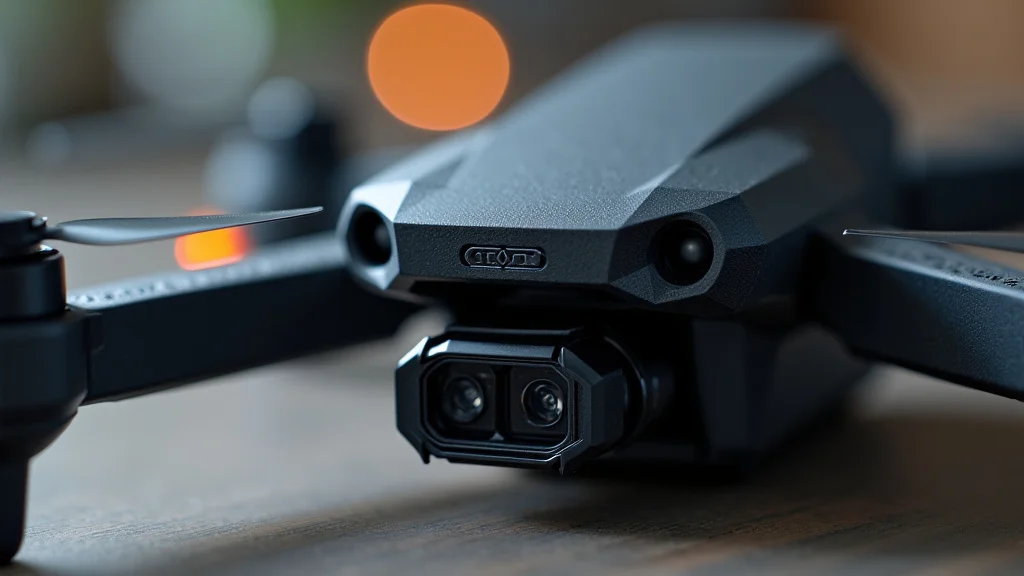
Picture this: You’re at a park, ready to capture some stunning aerial footage with your drone. Suddenly, a prop breaks, and your flight is grounded. Sound familiar? This scenario highlights the importance of knowing about the parts for a drone. This guide will walk you through the essential components, helping you build, maintain, and repair your own drone. By the end, you’ll be able to identify essential parts, understand their functions, and know where to find replacements. This will save you time and money and allow you to fully enjoy your aerial adventures.
Key Takeaways
- Learn about the fundamental parts for a drone, from the frame to the camera.
- Discover the role of each component in the drone’s flight and functionality.
- Gain insight into the different types of motors and propellers available.
- Explore the essential electronics, including flight controllers and ESCs.
- Understand how to choose the right battery and other power supply components.
- Find reliable resources for purchasing and replacing drone parts.
Essential Parts for a Drone: The Core Components
A drone is an amazing piece of technology, but it’s really just a combination of individual pieces working together. Each item has a specific function and is essential for flight and operation. The core parts create a well-rounded system. Knowing the function of each component is the first step in building, maintaining, and repairing your drone. This section will cover the main building blocks.
The Frame: The Drone’s Skeleton
The frame is the structural foundation of the drone, similar to a skeleton. It holds all other components together and affects the drone’s weight, stability, and durability. Frames come in various designs, from simple X-shaped structures to more complex shapes. The material determines its resistance to stress and shock. Different frame types and materials suit different purposes, and you need to consider this when selecting your parts for a drone. Choosing the right frame is important for how your drone will perform.
-
Material Choices: Frames are made of materials like carbon fiber, which is lightweight and strong. Another common choice is plastic, which is more cost-effective but less durable. Aluminum and other metals are also used in professional drones. Each material has trade-offs regarding weight, strength, and cost.
Carbon fiber is often preferred for its strength-to-weight ratio, allowing for longer flight times and the ability to carry heavier payloads. Plastic frames are common in beginner drones due to their lower price point. Metal frames offer durability but can add weight. The frame material significantly impacts flight characteristics, such as maneuverability and the ability to withstand crashes.
-
Frame Design: The shape of the frame affects the drone’s balance and stability. X-shaped frames are popular because they provide good stability and room for propellers. H-shaped frames are often used for specific applications like racing drones. Frame size is measured from motor to motor (e.g., a 250mm frame). The design should suit your intended use.
X-shaped frames are common for their balanced design. H-shaped frames provide space for electronics and often offer better aerodynamics. The size of the frame depends on the size of the propellers and the type of drone. For racing, a smaller frame allows for quick turns. For aerial photography, a larger frame gives stability and the capacity to carry a camera and a gimbal.
-
Durability Considerations: Look for frames that can resist impact, as crashes can happen. Reinforcements at stress points, such as where the arms meet the central body, can increase durability. Consider replaceable parts if a frame is likely to get damaged. Always ensure the frame’s design protects sensitive electronics, especially the flight controller.
Choose a frame known for its durability. Carbon fiber frames are known to resist damage. Check for features like arm reinforcement to withstand crashes. Many frames offer replaceable arms or other parts. It is also good to assess the protection the frame offers to the electronics inside, so they do not suffer damage on impact.
Motors and Propellers: The Power Behind Flight
Motors and propellers work together to generate the lift needed for flight. The motors spin the propellers, which push air downwards, creating an upward force. The performance of these components significantly influences the drone’s speed, efficiency, and maneuverability. There are different types of motors and propellers to match the drone’s intended purpose. Understanding their functions is key when selecting the right parts for a drone.
-
Motor Types: Brushless motors are most common in drones because of their efficiency, longevity, and high power-to-weight ratio. They generate power using electromagnets, which is better than brushed motors. Motor specifications like Kv (kilovolts per volt), which relates to speed, and the motor’s size, are important for matching the motor with the frame and propellers.
Brushless motors are popular for their increased efficiency. Kv indicates how fast the motor spins per volt of power, with higher Kv motors being faster. The motor’s size depends on the drone’s weight and the size of the propellers. Bigger motors are needed for carrying a heavier payload, while smaller motors are good for racing.
-
Propeller Selection: Propellers come in various sizes and shapes, which affect the drone’s flight characteristics. The size is measured by length and pitch (how far the propeller moves forward with one rotation). Larger propellers can lift more weight, and a higher pitch can increase speed. Material, like plastic or carbon fiber, affects the durability.
The propeller’s size is a key factor. Larger propellers give greater lift, while a higher pitch provides more speed. Carbon fiber propellers are stronger and more efficient than plastic ones. Choosing the right propellers depends on the size and purpose of your drone, matching the motor’s specifications.
-
Motor and Propeller Matching: The motors and propellers must be correctly matched for the drone to work correctly. The motor’s Kv rating should complement the propeller’s size and pitch to achieve optimum performance. Using too large a propeller with a low Kv motor can cause the motor to struggle. It will be the same with the wrong combination.
The motor and propeller combo needs to fit the intended purpose of the drone. Check motor specifications to ensure the propellers fit. If the motor’s Kv is too low for the propeller, the motor may not have the power to spin it efficiently. Make sure you get propellers that are suitable for your motor’s size. Check manufacturer recommendations for the best combinations.
Flight Controller and Electronic Speed Controllers (ESCs): The Brains and Brawn
The flight controller and ESCs are essential for the drone’s operation. The flight controller acts as the drone’s brain, processing information from sensors, interpreting user commands, and controlling the motors. ESCs receive commands from the flight controller and regulate the power to the motors. This teamwork enables the pilot to control the drone precisely. This is key when sourcing parts for a drone.
-
Flight Controller Functions: The flight controller (FC) uses sensors like accelerometers, gyroscopes, and magnetometers to determine the drone’s orientation and position. The FC processes signals from the receiver to interpret pilot commands. It then sends control signals to the ESCs to adjust the motor speeds. Flight controllers also handle advanced features like GPS positioning, altitude hold, and return-to-home functions.
The FC gathers data to determine the drone’s orientation. The pilot’s commands are interpreted, and then signals are sent to the ESCs to control the motors. Modern FCs incorporate features that can help with flight. This includes GPS for mapping and returning to the launch point. The FC makes sure the drone can fly easily.
-
ESCs (Electronic Speed Controllers): ESCs are responsible for receiving signals from the flight controller and controlling the speed of the motors. They take power from the battery and deliver the correct amount to each motor, allowing for precise control. ESCs come with different current ratings. The rating should be higher than the maximum current draw of the motors.
The ESCs manage the power going to the motors. ESCs receive signals from the flight controller and vary the power supplied to each motor. The current rating of an ESC is important. The rating has to be higher than the motor’s maximum current draw to prevent damage. This is how the drone performs and gets controlled in flight.
-
Integration and Compatibility: The flight controller and ESCs must be compatible. This requires paying attention to the communication protocols and electrical specifications. The FC must be able to send signals to the ESCs. The ESCs should be able to handle the voltage and current requirements of the motors. These factors require careful review.
Compatibility of these components is a must. The communication protocol has to match between the FC and the ESCs. Also, the ESCs need to be able to handle the voltage and current needed by the motors. Make sure the components can work together properly, so you get the best flight experience.
Power System Components: Keeping Your Drone Airborne
The power system is essential for the drone’s operation. It consists of the battery and any associated components like a power distribution board. The battery supplies power, and understanding the type and capacity determines the flight time and performance of the drone. When selecting parts for a drone, you should carefully consider these components.
-
Battery Types: Lithium Polymer (LiPo) batteries are common in drones because of their high energy density and lightweight design. LiPos come with different voltage ratings (e.g., 3.7V per cell) and capacities (measured in mAh, or milliampere-hours). The battery’s C rating indicates its discharge rate, which is the rate at which the battery can supply power.
LiPo batteries are suitable for drones. They store a lot of energy for their size and weight. The voltage determines the drone’s power, and the capacity influences flight time. The C rating shows how quickly the battery can release its power. Understanding these specifications is important for selecting the right battery.
-
Battery Capacity and Flight Time: The battery’s capacity determines how long your drone can stay in the air. A higher capacity battery increases flight time. The drone’s weight, the efficiency of the motors and propellers, and flying style also impact flight time. A heavier drone will use more power, and aggressive maneuvers will drain the battery faster.
Battery capacity directly relates to the flight time. The higher the capacity, the longer the flight time. Drone weight, motor efficiency, and flying style also affect flight time. Heavier drones will use more power, and flying aggressively will deplete the battery more quickly. Always consider these factors when choosing the correct battery.
-
Charging and Safety: Always use a LiPo charger to charge your batteries. Use charging bags to protect them from potential hazards. Avoid overcharging or discharging your batteries. Keep the batteries at a safe temperature. Inspect your batteries before each use for any signs of damage or swelling.
LiPo batteries should always be charged using an appropriate charger. Always use a safety charging bag to prevent damage from heat and any potential fires. Avoid overcharging or completely discharging batteries. You should always inspect the battery before use and look for any sign of damage. Adhering to charging and storage protocols can ensure battery safety.
Camera and Gimbal Systems: Capturing the View From Above
For aerial photography and videography, the camera and gimbal system are essential components. The camera captures images and video, and the gimbal stabilizes the camera, reducing vibrations and movements to produce smooth footage. When focusing on the parts for a drone, the camera and gimbal system is a key consideration if you intend to capture high-quality images and video. The camera and gimbal system can enhance the overall functionality.
-
Camera Types and Specifications: Drone cameras come in various types, including integrated cameras (often found in beginner drones) and modular cameras (used in professional drones). Camera specifications include resolution (measured in megapixels), frame rate (frames per second for video), and sensor size (which affects image quality). Consider the camera’s ability to handle different lighting conditions.
Drone cameras range from integrated cameras to modular ones. Resolution measures image detail, frame rate is important for smooth video, and sensor size influences image quality. Higher-resolution cameras, which often come with good sensors, will capture better images. The camera’s capabilities will also be affected by the lighting, so keep this in mind.
-
Gimbal Functions and Features: A gimbal is a motorized system that stabilizes the camera. Gimbals use sensors and motors to counteract movements and vibrations, which produces smooth footage. Gimbal features include different stabilization modes (e.g., tilt, roll, and pan), and follow modes. You can control the gimbal remotely, adjusting the camera’s position during flight.
The gimbal stabilizes the camera by counteracting movement. Gimbals use different stabilization modes, allowing for controlled camera movements. They also offer follow modes, where the camera tracks the subject. The ability to control the gimbal is a feature that allows the pilot to adjust the camera’s position during flight, thereby enhancing the footage.
-
Integration and Compatibility: Ensure the camera and gimbal are compatible with your drone’s frame and flight controller. Compatibility considerations include weight and size, the power requirements, and the communication protocols. Also, the frame has to support the gimbal. The flight controller has to support the gimbal control features.
Make sure the camera and gimbal can integrate well with the drone’s frame and flight controller. Weight and size will affect the drone’s flight characteristics. You have to ensure that the power requirements are compatible. The flight controller has to support the functions of the gimbal, allowing it to move and stabilize the footage.
Additional Drone Components and Accessories
Besides the core components, several additional parts for a drone can improve its functionality and user experience. These include the receiver, transmitter, and other accessories. These items can increase performance and safety.
-
Receiver and Transmitter: The receiver is on the drone and gets signals from the transmitter. The transmitter (the remote control) sends commands to the drone. Range and signal interference are important factors to consider when selecting a receiver and transmitter. Make sure the transmitter and receiver use the same communication protocol.
The receiver and transmitter enable the pilot to control the drone. The receiver gets commands, and the transmitter sends them. The range and resistance to interference can affect the operation of the drone. Always verify that the transmitter and receiver use the same communication protocol.
-
FPV Systems: First-person view (FPV) systems allow pilots to see a real-time video feed from the drone’s camera. An FPV system includes a camera, a video transmitter on the drone, and a receiver with a display (e.g., goggles or a monitor). This system improves the pilot’s view and control.
FPV systems provide a real-time view of what the drone camera sees. These systems have a camera, a video transmitter on the drone, and a receiver with a display. The video feed greatly enhances the pilot’s control and experience, and is essential for drone racing and specialized applications.
-
Accessories: Drone accessories include spare parts (propellers, motors), carrying cases, batteries, charging equipment, and landing gear. You can use these accessories to protect the drone and improve its functionality. Consider adding accessories that improve the drone’s performance and make it more convenient to use.
Accessories increase the drone’s functionality. Spare parts are good to have for repairs. Carrying cases will help with transportation and protect the drone. Other accessories, like extra batteries and landing gear, can enhance your drone flights. Choosing the right accessories improves the drone’s performance and ease of use.
Finding and Selecting Drone Parts
When you’re ready to find and select parts for a drone, you can use various resources. You can source them through online stores, local hobby shops, or the manufacturer. The selection process involves finding the right components, ensuring compatibility, and considering quality and cost.
-
Where to Buy: Online stores (like Amazon and specialty drone retailers) offer a wide selection of parts. Local hobby shops are useful for getting personalized advice. Purchase directly from the manufacturer to ensure the component fits and to receive assistance.
Online stores provide convenience and selection, while local hobby shops can offer expert advice. Manufacturer direct sales offer access to original parts and support. Research your options and shop around for the best prices.
-
Component Compatibility: Before purchasing, check the specifications to make sure the components are compatible. Consider the size, weight, and electrical requirements. Confirm that the new parts fit the drone’s frame and other existing components.
Compatibility is important. Confirm the size, weight, and electrical requirements of the components. Before purchasing, check the manufacturer’s specifications. Make sure the new parts can fit with the drone’s frame and other components. Always double-check to avoid purchasing incompatible items.
-
Quality and Cost: Assess the quality of the parts and consider the cost. Look at the reviews. Higher-quality parts may cost more but will provide better performance and longevity. Balance quality and cost. Consider the drone’s purpose and your budget when making your choices.
Compare product quality and price. Higher-quality parts can cost more but can offer better performance. Read reviews from other users. Balance quality and cost based on the needs of the drone. Think about the drone’s purpose and your budget when making your decision.
Drone Repair and Maintenance
Regular maintenance and repair are important parts of drone ownership. Regular inspections, troubleshooting, and replacement of damaged parts for a drone will allow for a long lifespan. These are essential for maintaining your drone and keeping it flying.
-
Regular Inspections: Before each flight, inspect your drone for damage, such as cracks in the frame, worn propellers, and loose connections. Check the motors for smooth operation. Inspect the battery for damage or swelling. These checks will prevent unexpected failures and keep your drone safe.
Make regular pre-flight inspections a part of your routine. Look for cracks, wear and tear, and loose connections. Check the motors and battery conditions. Regular checks can prevent malfunctions during flight.
-
Troubleshooting Common Issues: If your drone has problems, find the source of the problem. If it won’t power on, check the battery connection. If it won’t take off, check the propellers and motors. Review the flight controller settings. Using online forums and manuals, look for answers.
If you have issues, the first step is to troubleshoot. Start by checking the battery connection and the propellers. If you have any further issues, review the flight controller settings. Find answers by consulting online forums and manuals.
-
Replacing Damaged Parts: When parts are damaged, replace them immediately. The drone’s frame, propellers, and motors are common items for replacement. Follow the manufacturer’s instructions for replacing the parts. Always dispose of old parts carefully.
If you see damaged parts, replace them right away. The frame, propellers, and motors are replaced the most. Follow the manufacturer’s directions for replacement. Always dispose of old parts correctly.
Common Myths Debunked
Myth 1: All Drone Parts Are Interchangeable
The reality is that not all parts for a drone are interchangeable. Components must be compatible with each other and your drone’s specific model. This includes the frame, motors, ESCs, flight controller, and batteries. Compatibility depends on factors such as size, voltage, and communication protocols. Not paying attention to compatibility can lead to poor performance, damage, or the drone not working at all. You need to verify all the specifications.
Myth 2: Higher-Priced Parts Always Mean Better Performance
While the quality of the parts for a drone is important, it’s not the only factor that determines how the drone will perform. The correct components must suit the drone’s intended use and the pilot’s skills. Also, the pilot’s flying style influences the equipment. The performance depends on using a well-matched set of components that are right for your needs. The cost of a part does not guarantee its value.
Myth 3: You Can Ignore Maintenance and Still Have a Working Drone
Drones need regular maintenance, just like any other technology. Regular inspections, like checking propellers and battery health, are essential to avoid issues. Neglecting maintenance can result in unexpected failures, which can cause damage to the drone. Maintenance ensures safety and helps your drone work at its best. If you want your drone to last a long time, maintenance is required.
Myth 4: Upgrading Parts Always Improves Your Drone
Replacing parts for a drone may seem beneficial, but not all upgrades improve performance. Upgrades should be based on your needs and the performance limitations of the current setup. Consider your flying style and the drone’s purpose. Ensure the new parts are compatible with the other components. A simple upgrade might not make a big difference.
Myth 5: Drone Repair Is Too Difficult for Beginners
Drone repair is easier than you may think. With some basic research and practice, you can repair your drone. You can find many online resources that explain how to identify and
Frequently Asked Questions
Question: Can I build a drone from scratch?
Answer: Yes, you can. You’ll need to select each component, including the frame, motors, propellers, flight controller, ESCs, battery, receiver, and transmitter, and assemble them.
Question: How do I choose the correct battery for my drone?
Answer: Consider the drone’s voltage requirements and the desired flight time. Higher capacity (mAh) batteries offer longer flight times but may increase weight.
Question: What’s the difference between a gimbal and a camera mount?
Answer: A gimbal stabilizes the camera, reducing vibrations to produce smooth footage. A camera mount is a more basic system that helps to attach the camera to the drone.
Question: How often should I replace my drone’s propellers?
Answer: Replace propellers if they are cracked, chipped, or bent. Even minor damage can affect flight performance and lead to accidents.
Question: Where can I find spare parts for my drone?
Answer: You can find spare parts at online retailers, local hobby shops, or directly from the drone manufacturer. Always check for the correct specifications.
Final Thoughts
Exploring the world of parts for a drone opens up new opportunities for building, repair, and modification. Knowing the functions of each component and how they work together enhances your understanding of the technology. From the frame to the propellers, understanding the function of the different items is crucial. Selecting the right parts and accessories ensures optimal performance and a fulfilling experience. Remember, regular maintenance and quick repairs will extend the life of your drone and save you money. With the correct knowledge and a few essential tools, you’ll be well-prepared to keep your drone flying and capture amazing aerial footage.