
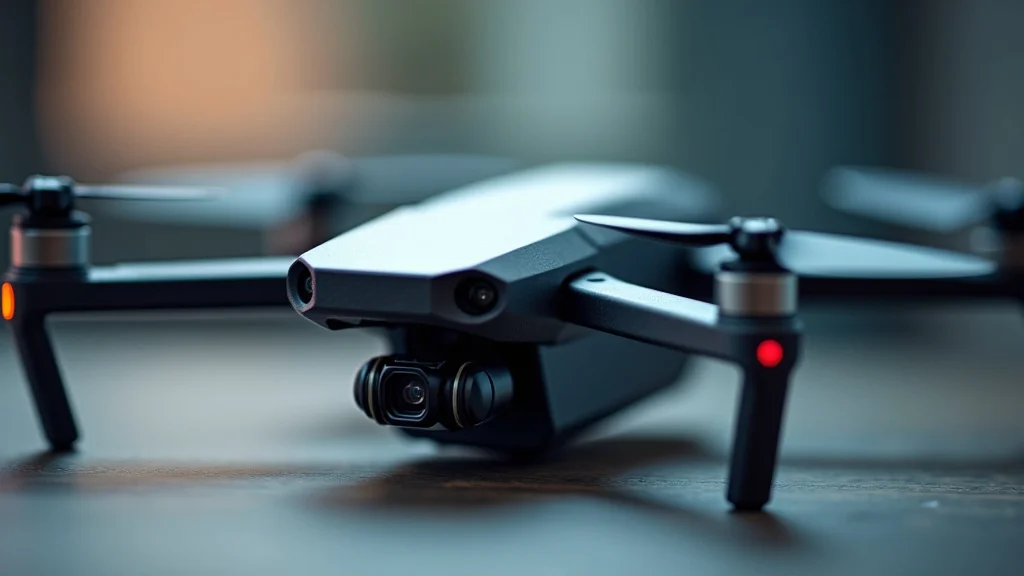
Picture this: you’re gazing at a breathtaking sunset, and you want to capture it from a unique perspective. What if you could lift a camera into the sky with ease? That’s where parts for drones come into play! This post explores the essential components, helping you build, maintain, and truly appreciate these amazing flying machines. We’ll explore everything from the basics to advanced considerations. You’ll gain valuable knowledge that empowers you to select the right parts for drones and get the most out of your aerial adventures, boosting your knowledge base and improving your drone experiences.
Key Takeaways
- Understand the fundamental components that make up a drone and their functions.
- Learn about the different types of motors and their impact on drone performance.
- Discover the significance of batteries and how to choose the right one for extended flight times.
- Explore the role of flight controllers in stabilizing and controlling your drone.
- Get insights into selecting and maintaining propellers for optimal efficiency.
- Learn about camera systems and gimbals for capturing high-quality aerial footage.
Essential Components of a Drone
Drones, also known as unmanned aerial vehicles (UAVs), are essentially sophisticated flying robots. They’re composed of various components working together harmoniously. Without each part, these devices would not function effectively. Each element plays a vital role. This section breaks down the core elements. This includes explaining what each one does and why it’s vital for flight.
Frame and Body
The frame and body serve as the foundation of your drone, acting as the structural support for all the other components. It determines the overall size, shape, and even the weight of your drone. Frames are commonly made from materials like carbon fiber or lightweight plastics. These materials offer a good balance of strength and weight. The frame design directly impacts the drone’s flight characteristics, stability, and its capability to withstand impacts. A well-designed frame allows easy access to components for maintenance and upgrades. This simplifies things for those who enjoy drone customization.
- Material Selection: Carbon fiber is often preferred for its strength-to-weight ratio, while plastics provide cost-effectiveness and flexibility.
- Design Variations: Frames come in different configurations, such as quadcopter (four rotors), hexacopter (six rotors), and octocopter (eight rotors).
- Durability: Choose a frame that can withstand crashes and rough handling.
- Weight Considerations: A lighter frame improves flight time and agility.
- Assembly: Consider the ease of assembly and accessibility for repairs.
Motors and Electronic Speed Controllers (ESCs)
Motors are the workhorses of a drone, providing the rotational force to spin the propellers and generate lift. ESCs regulate the power to the motors. This control is vital for speed and direction. The type of motor used impacts performance. Brushless motors are popular due to their efficiency and longevity. The ESCs translate signals from the flight controller into precise motor movements. They adjust the rotor speed. Pairing the correct ESC with the appropriate motor is essential. This pairing ensures efficient power delivery and safe operation. If the ESC isn’t strong enough, it could be a fire hazard.
- Brushless Motors: Offer high efficiency and extended lifespans, ideal for frequent use.
- Motor Size (KV Rating): This number measures the motor’s speed, with higher KV ratings suitable for smaller drones.
- ESC Current Capacity: ESCs must match the motor’s current draw to prevent overheating and damage.
- ESC Firmware: Many ESCs use advanced firmware for optimized performance and flight characteristics.
- Motor Placement: Proper motor mounting and alignment are vital for even thrust distribution.
Propellers
Propellers are the rotating blades that generate the lift needed for flight. They’re critical for efficient and stable flight. Propeller design involves various factors like the size, pitch, and material. Size influences how much thrust is generated. Pitch affects the angle of the blades. Materials like carbon fiber offer enhanced durability and performance. Propellers should be balanced for smooth operation. Unbalanced props lead to vibrations, which can affect flight. Selection depends on motor size, drone weight, and intended use. Different propellers can optimize performance. Choosing the right ones ensures you get the most from your drone’s flight capabilities.
- Propeller Size and Pitch: Larger propellers generate more thrust; pitch affects speed and acceleration.
- Propeller Materials: Carbon fiber and plastic are common, each offering different performance characteristics.
- Rotation Direction: Ensure propellers are mounted correctly for proper thrust direction.
- Balancing: Always balance propellers to reduce vibration and improve flight stability.
- Propeller Safety: Handle propellers with care, as they can cause injury if they contact skin or clothing while spinning.
Flight Controller
The flight controller is the brain of your drone. It receives data from sensors, such as the gyroscope and accelerometer, and uses this information to stabilize and control the drone’s flight. It is programmed to interpret the pilot’s input via the remote control. It then sends commands to the ESCs and motors to make necessary adjustments. Sophisticated flight controllers often include features like GPS for position holding and automated flight modes. They can also perform tasks such as Return-to-Home. The flight controller is responsible for smooth flight and the drone’s responses.
- Sensors: Gyroscope, accelerometer, barometer, and GPS work together to provide flight data.
- PID Tuning: Allows for adjustments to the responsiveness and stability of your drone.
- Flight Modes: Enable different flight behaviors such as altitude hold, headless mode, and waypoint navigation.
- Firmware Updates: Regular updates improve performance and add new features.
- Connectivity: The flight controller interacts with the remote control and other modules.
Batteries
Batteries supply the power needed for flight, and their capacity directly affects flight time. Lithium Polymer (LiPo) batteries are common due to their high energy density and lightweight design. Battery voltage, capacity (measured in mAh), and C-rating (discharge rate) are critical considerations. Always use a charger compatible with your battery type to prevent overcharging or damage. Proper maintenance, including storage and charging procedures, extends the life of your batteries and ensures safe operation. Using quality batteries and understanding the best practices related to them are essential for having successful flights.
- Voltage and Capacity: Higher voltage increases power; higher capacity extends flight time.
- C-Rating: This determines how quickly the battery can discharge power without overheating.
- Battery Safety: Never overcharge, over-discharge, or expose batteries to extreme temperatures.
- Charging and Storage: Use a proper LiPo charger and store batteries at 3.8V per cell.
- Flight Time: Consider the battery capacity and drone’s weight to estimate flight durations.
Camera Systems and Gimbals
Cameras and gimbals provide the means to capture aerial footage. The choice of camera impacts the image quality. The gimbal stabilizes the camera and reduces vibrations, resulting in smooth video. Gimbals use motors to counteract drone movements. They allow for consistent footage even during turbulent flights. Camera specifications like resolution, frame rate, and field of view affect the quality. When selecting a camera system, consider both your needs and budget. A good gimbal and camera system allow for professional-quality images.
- Camera Resolution: Higher resolution cameras offer more detailed footage.
- Gimbal Stabilization: 2-axis or 3-axis gimbals can stabilize the camera during flight.
- Camera Settings: Adjusting settings like ISO, shutter speed, and white balance affects image quality.
- Lens Options: Different lenses affect the field of view and the perspective of your footage.
- Live Feed: Some systems include live video transmission for real-time monitoring and control.
Choosing the Right Parts for Your Drone
Selecting the right components is vital for building a functional and enjoyable drone. Understanding the options can feel overwhelming. Begin by determining your goals. Are you focused on photography, racing, or general use? Knowing this will help guide your selection. Next, consider your budget. Price varies considerably among different parts. Do research to understand which components fit your needs and wallet. Matching your components correctly is essential. Using a flight controller that’s compatible with your motors and ESCs is a good starting point. Matching your propellers to your motors is another critical step in that process.
Drone Purpose and Specifications
The purpose of your drone, such as photography, racing, or casual flight, impacts component selection. For aerial photography, image quality and gimbal stability are important. For racing, speed and agility are key. Weight affects performance; a lighter drone flies longer and more responsively. Consider factors like desired flight time, range, and video capabilities. Choosing the right parts for your drone enhances the performance for the desired use. Knowing the characteristics you need is crucial for selecting appropriate components. Choosing the right parts is as important as the design.
- Photography: Prioritize high-resolution cameras, 3-axis gimbals, and stable flight controllers.
- Racing: Focus on powerful motors, lightweight frames, and responsive flight controllers.
- Recreational Flight: Balance performance, price, and ease of use.
- Payload Capacity: Consider the weight of extra equipment (e.g., cameras) when selecting motors and frames.
- Flight Time vs. Speed: Balance battery capacity with the desired flight characteristics.
Compatibility and Performance Considerations
Component compatibility is vital for proper drone operation. Check that your flight controller is compatible with your motors and ESCs. Ensure the propellers fit the motors. Pay attention to voltage and current ratings. Choosing a battery that meets the demands of your drone is a must. Consider the performance characteristics of each part. You want components that work well together. Think about how the elements will function in tandem. Research the specifications to ensure a good match.
- Motor and ESC Matching: The ESC must handle the motor’s power needs.
- Propeller Size and Motor RPM: Larger propellers require lower RPM motors.
- Battery Voltage and Drone Systems: Match the voltage to your drone’s power requirements.
- Flight Controller Firmware: Ensure the firmware is compatible with your components.
- Software and Updates: Keep software up-to-date for optimal performance.
Budgeting and Value
Establishing a budget before starting is vital. Set limits to stay within your financial means. Consider the cost-to-performance ratio when selecting parts. Prioritize what’s most vital for your needs. You can always upgrade later. Research the market to find the best deals. Don’t always choose the most expensive components. You can find quality options at various price points. Read reviews and compare options. That way, you’ll be able to make smart financial decisions. The more you know, the more effectively you can select parts that provide the best value.
- Prioritize Essential Components: Focus on the flight controller, motors, and batteries.
- Research Market Prices: Compare prices from different vendors.
- Consider Used Parts: High-quality used parts can save money.
- Balance Cost and Performance: Aim for the best performance within your budget.
- Plan for Upgrades: Leave room in your budget for future upgrades or repairs.
Maintenance and Safety
Regular maintenance ensures optimal performance and safety. It extends the life of your drone. Inspect your drone before each flight. Check for any damage or loose components. Keep your components clean. Store your drone in a dry place to prevent moisture damage. Proper handling and adherence to safety guidelines minimize risks. When it comes to maintaining your drone, taking the right approach is vital. The more attention you pay to care and safety, the more fun you’ll have with your drone.
Pre-Flight Checks and Inspections
Before each flight, inspect your drone. Check the frame and propellers for any damage. Ensure the motors spin freely and that the propellers are secure. Check the battery level and connection. Test your remote control and the drone’s responsiveness. Confirm all connections are secure. By performing pre-flight checks, you minimize risks. You’re more likely to have a safe and successful flight. These checks are simple, but they’re critical.
- Frame and Body Inspection: Check for cracks or damage that might affect flight.
- Propeller Inspection: Look for chips, cracks, or imbalances.
- Motor Testing: Ensure motors spin freely and smoothly.
- Battery Level and Connection: Verify the battery is charged and properly connected.
- Remote Control and Drone Responsiveness: Test the controls and response of the drone.
Regular Maintenance and Cleaning
Regular cleaning is important for keeping your drone in good shape. Clean propellers and other parts to remove dust and debris. Check for any wear and tear. Store your drone in a clean and dry place. Make sure to keep the moving parts lubricated. Avoid exposing your drone to extreme temperatures or moisture. Taking these simple steps will extend the life of your drone. You’ll also minimize the risks of performance problems.
- Cleaning Dust and Debris: Use a soft brush and compressed air.
- Lubrication of Moving Parts: Use appropriate lubricants.
- Proper Storage: Store in a dry, temperature-controlled location.
- Component Checks: Check for wear, corrosion, and loose connections.
- Software Updates: Keep your firmware and software up-to-date.
Safety Guidelines and Best Practices
Follow safety guidelines for safe and responsible drone use. Fly in open areas, far from people, buildings, and obstacles. Always maintain visual line-of-sight with your drone. Understand the local regulations and restrictions. Never fly in restricted airspace. Be mindful of weather conditions. Always have a plan for a safe return. These practices ensure safe operation. Following these guidelines helps you and others stay safe.
- Flying in Open Areas: Choose open spaces away from obstacles.
- Maintaining Visual Line of Sight: Always keep the drone in sight.
- Understanding Local Regulations: Know the rules for drone operation.
- Weather Awareness: Avoid flying in strong winds or rain.
- Emergency Procedures: Know how to handle emergency situations, such as a lost signal.
Advanced Drone Parts and Technologies
Advanced drone parts and tech include cutting-edge components that enhance performance. Features include obstacle avoidance systems, improved flight controllers, and enhanced camera technologies. Advances improve the drone’s capabilities and user experience. Understanding these technologies will expand your options. Drones are always developing. Staying up-to-date with this technology will make for more exciting flight experiences.
Obstacle Avoidance Systems
Obstacle avoidance systems are advanced technologies that enhance safety. They use sensors to detect objects in the drone’s path. These systems can change the drone’s flight path. The system can help prevent collisions. They utilize various sensors. These include ultrasonic, infrared, and computer vision. These systems allow for safer operation in more complex environments. They can prevent damage to the drone. They make the drone easier to control.
- Sensor Types: Includes ultrasonic, infrared, and visual sensors.
- Collision Prevention: Automatically avoids obstacles in the drone’s path.
- Flight Path Adjustment: The drone changes direction to avoid obstacles.
- Environment Adaptation: Systems adapt to surroundings, enhancing safety.
- User Control: Pilots can often adjust the sensitivity of the system.
FPV Systems and Racing Components
First-person view (FPV) systems allow pilots to see from the drone’s perspective in real time. These systems provide an immersive flight experience. Racing components include powerful motors, lightweight frames, and high-speed propellers. These parts are designed for optimal speed and agility. They enhance the drone’s racing capabilities. They also contribute to more engaging flights. Understanding these components will enhance the experience.
- FPV Goggles: Provide an immersive, first-person view of the flight.
- High-Speed Motors: Offer increased power and acceleration.
- Lightweight Frames: Improve maneuverability and speed.
- High-Speed Propellers: Optimize thrust and speed.
- Real-time Video Transmission: Transmits live video to the pilot.
GPS and Flight Management Systems
GPS and flight management systems enhance drone capabilities. They use GPS to stabilize flight and provide features. GPS allows for automated flight modes, like waypoint navigation. These systems also offer Return-to-Home functions. Flight management systems integrate multiple sensors. They help improve overall performance and safety. These systems are essential for automated drone operations. They also improve safety and efficiency. This system expands the possibilities of drone operations.
- Waypoint Navigation: Automated flight along predefined routes.
- Return-to-Home Function: Automatically returns the drone to its starting point.
- GPS Accuracy: Provides accurate location data for flight stability.
- Integrated Sensors: Improve performance and safety.
- Data Logging and Analysis: Records flight data for later analysis.
Common Myths Debunked
Myth 1: Drones are difficult to build.
In reality, building a drone can be a very accessible hobby. While it can appear complicated at first, many online resources provide clear and precise guides. These range from basic assembly to advanced customizations. With a bit of research and the right parts, you can build your own drone.
Myth 2: All drones require expensive parts.
While high-end drones do have costly components, you can assemble drones with budget-friendly parts. Prices range. You can customize your choice based on your needs and budget. Researching and choosing components strategically will provide an excellent flight experience.
Myth 3: More propellers always mean better performance.
Although it might seem like more propellers enhance performance, it’s not always the case. Each configuration has its pros and cons. Quadcopters, hexacopters, and octocopters differ in speed, stability, and efficiency. The key is in matching your use to the design. The correct number of propellers depends on your drone’s design and use.
Myth 4: Upgrading drone parts is hard.
Upgrading drone parts does not have to be challenging. Many drone designs allow for upgrades. Parts are often designed to be easily swapped. If you prepare, replacing and improving components can be a great way to improve your drone’s performance over time.
Myth 5: Drone parts always wear out quickly.
The lifespan of a drone’s parts depends on a few factors. These include the quality of the components, usage frequency, and proper maintenance. Maintaining your drone and using quality components will make your drone last longer. Regular inspections and care can extend the life of your parts for drones.
Frequently Asked Questions
Question: Can I build a drone even if I have no experience?
Answer: Yes, you can! There are many beginner-friendly kits and online resources that provide step-by-step instructions.
Question: How do I choose the right motor for my drone?
Answer: Consider the drone’s size, weight, and intended use. Higher KV motors are suitable for smaller drones, while lower KV motors are often used with larger propellers.
Question: What’s the difference between a 2-axis and a 3-axis gimbal?
Answer: A 2-axis gimbal stabilizes the camera on two axes (tilt and roll), while a 3-axis gimbal stabilizes on three axes (tilt, roll, and yaw), providing smoother footage.
Question: How often should I replace my drone’s propellers?
Answer: Replace propellers if they are chipped, cracked, or bent. It’s also a good idea to replace them after a crash.
Question: What safety precautions should I follow when flying a drone?
Answer: Always fly in open areas away from people, buildings, and obstacles, and follow local regulations.
Final Thoughts
As you explore parts for drones, remember that selecting the correct components is a learning process. It’s about finding the right balance of performance, safety, and price for your goals. The more you learn about how the components work together, the better you’ll understand. Building a drone and working on its parts is rewarding. As the drone industry continues to innovate, be sure to keep exploring new options. By continuing to expand your knowledge, you’ll be able to enjoy the amazing benefits that drones bring. Get ready to take to the skies!