
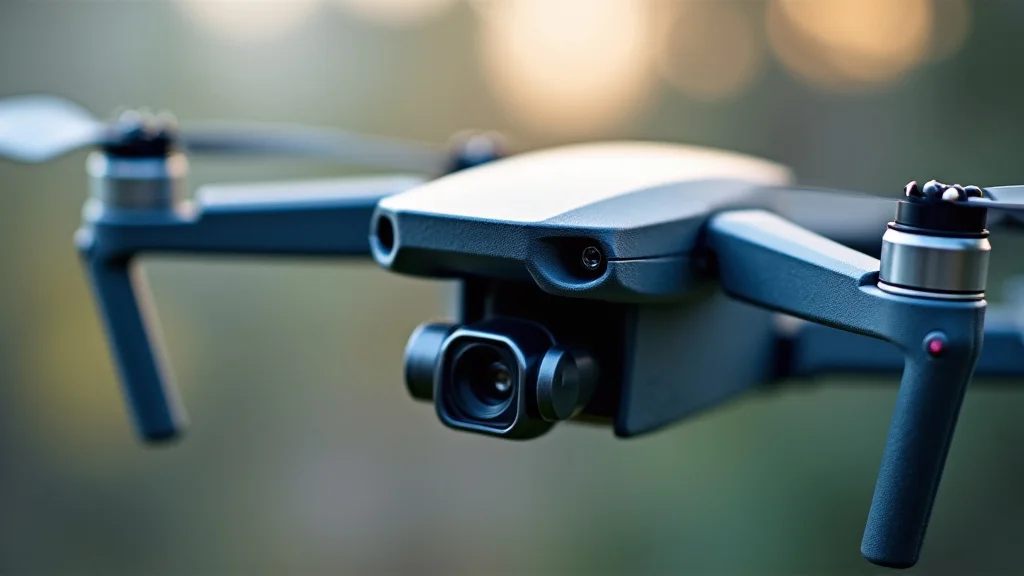
Imagine you’re standing on a hill, the wind whipping at your face, and your drone, a sleek marvel of engineering, is ready to take flight. But wait – a crucial part has broken. Now, picture yourself with the know-how to find the right rd drone parts, fix the issue, and get your drone soaring again. That’s what this guide is all about. We’ll explore everything you need to know about the essential rd drone parts that make your aerial adventures possible, ensuring you can troubleshoot, repair, and upgrade your drone with confidence. This post will equip you with knowledge, improving your Time on Page and reducing Bounce Rate by providing practical solutions and detailed explanations.
Key Takeaways
- Learn about the fundamental rd drone parts and their respective functions.
- Discover how to identify and troubleshoot common drone issues related to specific parts.
- Understand the differences between various components and how to choose the right ones for your drone.
- Gain insights on upgrading your drone for improved performance and features.
- Explore where to find reliable and affordable rd drone parts.
- Acquire the knowledge to maintain and extend the lifespan of your drone.
Understanding the Basics of RD Drone Parts
Every drone, from the smallest toy models to professional-grade aerial platforms, is built from a collection of interconnected components. These parts work together seamlessly to allow the drone to fly, navigate, and capture stunning aerial footage. It’s important to know these components to properly maintain and repair your drone. Furthermore, it is essential if you want to modify and customize your drone for specific purposes, such as racing or photography.
The Frame and Shell
The frame and shell are the foundation of any drone. They provide structural support and house the internal components. The frame, typically made of lightweight materials like carbon fiber or durable plastics, determines the overall shape and size of the drone. The shell, which often encases the frame, protects the internal electronics from the elements and potential impacts. The selection of materials affects the drone’s durability, weight, and aerodynamics. Carbon fiber is prized for its high strength-to-weight ratio, which enhances flight time and maneuverability. Plastics offer a cost-effective option, making them suitable for beginner drones.
- Purpose: Provides structural support and protection for the drone’s internal components.
- Materials: Carbon fiber, lightweight plastics, and occasionally metals.
- Considerations: Durability, weight, and aerodynamics.
- Impact on Performance: Frame material impacts flight time, speed, and maneuverability.
Flight Controller
The flight controller is the brains of the operation. It’s a small computer that processes information from various sensors and sends commands to the motors, telling the drone how to move. It receives data from the GPS, accelerometers, gyroscopes, and barometer, which it uses to stabilize the drone and maintain its position. Advanced flight controllers include features such as return-to-home functionality, obstacle avoidance, and pre-programmed flight modes. These features make it easier and safer to operate a drone, especially for beginners. The quality of the flight controller directly affects the drone’s stability, responsiveness, and overall flight experience.
- Purpose: Manages and controls all flight aspects of the drone.
- Function: Processes sensor data, stabilizes flight, and executes pilot commands.
- Components: Microprocessors, sensors (accelerometers, gyroscopes, barometer, GPS), and firmware.
- Impact on Performance: Responsiveness, stability, and advanced flight features like obstacle avoidance.
Motors and Electronic Speed Controllers (ESCs)
The motors are the powerhouses that generate the thrust needed for lift-off and flight. They convert electrical energy into mechanical energy, spinning the propellers to create lift. Electronic Speed Controllers (ESCs) regulate the power delivered to the motors, allowing the flight controller to finely control the drone’s movement. These components are essential for the drone to fly smoothly and responsively. Different types of motors, such as brushed and brushless motors, have different performance characteristics, including their efficiency, lifespan, and power output. Brushless motors, commonly used in modern drones, are more efficient and durable. The ESCs should be properly matched to the motor specifications to ensure optimal performance and prevent damage.
- Motors Purpose: Generates thrust by spinning propellers.
- Types: Brushed and brushless (brushless is more efficient and durable).
- ESCs Purpose: Regulate power to the motors based on flight controller commands.
- Impact on Performance: Thrust, responsiveness, and battery efficiency.
Propellers
Propellers are the rotating blades that create lift and propel the drone through the air. They are designed to interact with the air to generate the necessary force for flight. Choosing the correct propeller type is important for optimizing the drone’s performance. The size, pitch, and material of the propeller affect the drone’s speed, efficiency, and noise level. Larger propellers typically generate more lift, enabling the drone to carry heavier payloads, while a higher pitch can increase speed. Materials can range from durable plastics to carbon fiber. Proper propeller maintenance is important for optimal performance and safety. Regularly inspecting propellers for damage or wear is a must.
- Purpose: Generate lift and propel the drone through the air.
- Types: Various sizes, pitches, and materials.
- Considerations: Size, pitch, material, and balance.
- Impact on Performance: Lift, speed, efficiency, and noise level.
Essential RD Drone Parts for Operation and Safety
Beyond the core components, several other rd drone parts are vital for ensuring the safe and effective operation of a drone. These parts help pilots control the drone and keep it functioning in a variety of situations. They also improve the drone’s ability to avoid hazards.
Batteries and Power Management
Batteries are the fuel of a drone, providing the electrical energy needed to power all its systems. Most drones use lithium polymer (LiPo) batteries because of their high energy density and lightweight design. A proper power management system ensures that the battery delivers power efficiently and safely. This includes the battery itself, the battery charger, and the power distribution system within the drone. The battery’s capacity, measured in milliampere-hours (mAh), determines the flight time. Proper care for batteries, including correct charging and storage procedures, is essential for extending their lifespan and preventing potential hazards like battery swelling or fire. The type of battery is crucial, and improper handling is risky.
- Purpose: Provide power to operate the drone.
- Types: Lithium Polymer (LiPo) batteries are common.
- Considerations: Capacity (mAh), voltage, and discharge rate (C-rating).
- Impact on Performance: Flight time, power, and overall drone performance.
Remote Control and Receiver
The remote control (transmitter) and receiver are the interface between the pilot and the drone. The transmitter sends commands to the drone, which is received by the receiver on the drone. Modern remote controls often use 2.4 GHz radio frequencies for communication. This minimizes interference and allows for a stable and reliable connection over a greater distance. They include control sticks, switches, and buttons for controlling flight direction, camera settings, and other functions. Some remote controls also provide telemetry data, such as battery level, GPS location, and other flight information, on a built-in display. The range and reliability of the remote control are essential for safe and effective drone operation.
- Purpose: Enable the pilot to control the drone.
- Components: Transmitter (remote control) and receiver.
- Function: Transmits commands and receives data between the pilot and the drone.
- Impact on Performance: Pilot control, range, and communication reliability.
GPS and Navigation Systems
The Global Positioning System (GPS) and other navigation sensors are important for enabling precise flight, return-to-home functionality, and autonomous flight modes. GPS receivers use signals from satellites to determine the drone’s location and track its movement. This data is essential for the flight controller to maintain the drone’s position, assist with navigation, and enable features like waypoint following and automatic takeoff and landing. Advanced drones often incorporate multiple navigation systems. These include Inertial Measurement Units (IMUs), which combine accelerometers, gyroscopes, and magnetometers to measure the drone’s orientation and movement. The accuracy and reliability of the GPS system are very important for safe and reliable drone operation, particularly in situations where precise positioning is a necessity.
- Purpose: Determine the drone’s location and enable navigation.
- Components: GPS receiver, IMUs (accelerometers, gyroscopes, magnetometers).
- Function: Provides positioning data, supports autonomous flight modes, and enables return-to-home functions.
- Impact on Performance: Accuracy, stability, and autonomous capabilities.
Camera and Gimbal Systems
Many drones are equipped with cameras to capture aerial photos and videos. The quality of the camera and the stability of the gimbal system directly impact the quality of the captured footage. The camera’s specifications, including resolution, frame rate, and sensor size, determine the detail and quality of the images and videos. The gimbal system is a stabilizing mechanism that keeps the camera steady, even when the drone is moving. It typically uses motors to counteract the drone’s movements, providing smooth and professional-looking footage. Advanced gimbal systems offer features such as tilt and pan control, allowing the pilot to adjust the camera’s angle and capture a broader range of perspectives. Camera and gimbal quality are important for photography and videography.
- Purpose: Capture aerial photos and videos.
- Components: Camera, gimbal (stabilization system).
- Function: Captures images and videos, and stabilizes the camera during flight.
- Impact on Performance: Image and video quality, stability.
Choosing the Right RD Drone Parts
Selecting the right parts for your drone requires careful consideration of various factors. From performance needs to budget constraints, there are numerous variables to evaluate. Making informed decisions will help you enhance your drone’s capabilities and make the best investment for your aerial endeavors. Different types of drone enthusiasts, from hobbyists to professionals, have different requirements.
Matching Parts to Your Drone Type and Purpose
Different drones are designed for different purposes, and the rd drone parts that you choose should reflect that. For instance, a racing drone requires high-performance motors, ESCs, and propellers for fast speeds and agile maneuverability. A photography drone needs a high-quality camera and a stable gimbal. Consider your specific needs and choose components that complement your drone’s intended use. When selecting parts, consider the drone’s existing components. Make sure the new parts are compatible with the flight controller, battery, and other systems. Do some research to match the parts. Check the manufacturer’s specifications to ensure compatibility.
- Racing Drones: Prioritize speed, agility, and responsiveness.
- Photography Drones: Prioritize image and video quality and stability.
- Beginner Drones: Reliability, ease of use, and cost-effectiveness are important.
- Considerations: Compatibility with existing components.
Understanding Specifications and Ratings
Each rd drone part has a set of specifications and ratings that provide information about its performance characteristics. These specifications are extremely important when selecting and matching components. Understanding these specifications is essential to ensure compatibility and optimize performance. For example, motors are rated by KV (RPM per volt), which helps determine their speed and power output. ESCs have amperage ratings (A) that must match the motors’ current draw. Batteries have mAh and C-ratings that indicate their capacity and discharge rate. Propellers are specified by their size (length and pitch), which affects lift and efficiency. Take time to research the various specifications. Matching the components is vital for drone flight.
- Motors: KV rating (RPM per volt), power output, and efficiency.
- ESCs: Amperage rating (A) and compatibility with motors.
- Batteries: Capacity (mAh), voltage, and discharge rate (C-rating).
- Propellers: Size (length and pitch), material, and balance.
Budget and Quality Considerations
The cost of rd drone parts varies widely, from inexpensive components for beginner drones to high-end, professional-grade equipment. It’s essential to set a budget before you start shopping and prioritize your needs based on the purpose of your drone and your level of experience. Balance between price and quality is vital. Buying high-quality components will often result in better performance, increased reliability, and a longer lifespan for your drone. However, sometimes cheaper options are appropriate for hobbyists, who may not need the advanced features of high-end equipment. Consider the type of flying you will do. For example, if you are a beginner, it is better to choose affordable parts.
- Budget: Set a budget before purchasing.
- Quality: Higher quality often means better performance and reliability.
- Beginner vs. Professional: Match the quality of components to the level of use.
- Price Considerations: Balancing cost with performance needs.
Troubleshooting Common RD Drone Part Issues
Even with the most well-maintained drone, problems can sometimes arise. Knowing how to identify and troubleshoot issues with rd drone parts can save you time and money. It can also ensure that you can keep your drone flying safely. By understanding the common signs of trouble and how to address them, you can perform minor repairs yourself and avoid unnecessary downtime. Some issues are related to the user and some are due to part failure. It’s essential to systematically find the cause of the problem.
Motor and ESC Problems
Motors and ESCs are prone to wear and tear due to the stress and heat generated during flight. The motors may fail to spin, spin intermittently, or run at inconsistent speeds. ESCs may overheat, become unresponsive, or produce unusual sounds. One common problem is a motor that isn’t spinning or spinning slowly. This could be due to a faulty motor, a bad ESC, or a broken wire connection. If an ESC is overheating, it may indicate that the motor is drawing too much current or that the ESC is damaged. Listen for unusual noises, such as grinding or rattling, which could indicate wear and tear on motor bearings. Use a multimeter to check for continuity in the motor wires and the ESC connections.
- Symptoms: Motors not spinning, inconsistent speeds, overheating.
- Causes: Faulty motor, bad ESC, broken wires, or overcurrent.
- Troubleshooting: Check wiring, inspect motors and ESCs, use a multimeter.
- Solutions: Replace damaged components or repair loose connections.
Battery Issues
Batteries are a common source of problems. The battery may fail to charge, discharge quickly, or swell up. A battery that won’t charge may have a faulty charger, a damaged battery cell, or a problem with the charging circuitry. If the battery is discharging quickly, it might be nearing the end of its lifespan or have internal damage. Swelling can indicate that the battery is overcharged or has suffered physical damage. Observe the battery’s condition regularly. Use a voltage checker to monitor the battery’s voltage during discharge. If the battery shows any signs of damage, stop using it immediately, as it could pose a fire hazard. Ensure the charger is appropriate for the type of battery.
- Symptoms: Won’t charge, quick discharge, swelling.
- Causes: Faulty charger, damaged cells, overcharging, or misuse.
- Troubleshooting: Check charger, monitor voltage, inspect for damage.
- Solutions: Replace the battery or charger or follow the proper charging procedures.
Propeller Damage and Vibration
Propellers are exposed to the elements and impacts, making them vulnerable to damage. Damaged propellers can cause excessive vibrations, which can affect flight stability and damage other components. They may also be imbalanced, which can lead to oscillations. A cracked or chipped propeller can create significant vibrations during flight. You can often see damage by looking carefully at the propeller. Check if the propellers are correctly balanced. Inspect the propeller mounts for any damage or looseness. If vibration is present, try balancing the propellers. Consider replacing any damaged propellers to maintain safe and stable flight. Check for any obstructions that may be impacting the propellers.
- Symptoms: Excessive vibrations, instability, noise.
- Causes: Cracked or chipped propellers, imbalance, or loose mounts.
- Troubleshooting: Visual inspection, check balance, and inspect mounts.
- Solutions: Replace damaged propellers and ensure proper balance and mount.
Upgrading and Customizing Your Drone with RD Drone Parts
One of the best features of drone ownership is the ability to upgrade and customize your aircraft. There are a variety of rd drone parts available. You can improve performance, add new capabilities, and create a drone that meets your specific needs. Adding additional features and refining existing components can elevate your aerial experience. Always ensure compatibility and consider the impact of your upgrades on the overall performance of your drone.
Improving Flight Time and Performance
Upgrading your drone’s battery is an easy way to extend flight time. If you want more time in the air, you can use a higher-capacity battery. Make sure the battery voltage is appropriate for your drone. Upgrading to more efficient motors and propellers can also help improve flight time and performance. Look for motors with high power ratings and propellers designed to optimize efficiency. Reducing the drone’s weight is another way to increase flight time and agility. This can be achieved by using lighter materials or removing unnecessary components. Performance is a key part of your drone experience. Careful selection of parts and upgrades can make a difference in performance.
- Battery Upgrades: Higher capacity batteries for longer flight times.
- Motor and Propeller Upgrades: More efficient motors and propellers for better performance.
- Weight Reduction: Use lighter materials or remove unnecessary components.
- Impact on Performance: Increased flight time, speed, and maneuverability.
Adding New Features and Capabilities
You can add new features and capabilities to your drone by installing new rd drone parts. Adding a high-quality camera and a gimbal can greatly improve your drone’s photo and video capabilities. If your drone doesn’t already have one, installing a GPS module can enable advanced features, such as return-to-home functionality and waypoint navigation. You may choose to upgrade your flight controller with advanced software features and expanded sensor capabilities. By customizing your drone, you can make the aircraft perform the way you want it to. Consider your goals for your drone, such as photography, racing, or special missions.
- Camera and Gimbal: High-quality camera for improved image and video quality.
- GPS Module: Enables return-to-home and waypoint navigation.
- Flight Controller Upgrades: More flight modes and new sensors.
- Impact on Performance: Enhanced photo/video capabilities, and autonomy.
Customizing for Specific Purposes
You can also customize your drone for specific purposes, such as racing or aerial photography. For racing, you may want to focus on speed, agility, and responsiveness. This could involve using high-performance motors, lightweight frames, and FPV (First Person View) systems for immersive control. For aerial photography, you can focus on image quality and stability by upgrading the camera, gimbal, and flight controller. You may also want to add landing gear or a payload release system. Carefully choose rd drone parts that suit your desired application. The better the parts, the better your experience.
- Racing Drones: High-performance motors, lightweight frames, and FPV systems.
- Photography Drones: High-quality cameras, stable gimbals, and advanced flight controllers.
- Specialized Equipment: Landing gear, payload release systems, or other custom equipment.
- Impact on Performance: Specialized features, optimized for the user’s purposes.
Where to Find and Buy RD Drone Parts
Finding the right rd drone parts can be easy if you know where to look. There is a broad range of stores, online retailers, and marketplaces that specialize in drone components. Each has its own benefits and drawbacks. Knowing where to get your drone parts is important. Consider price, quality, selection, and customer service.
Online Retailers and Marketplaces
Online retailers and marketplaces offer the widest selection of rd drone parts, often at competitive prices. E-commerce platforms like Amazon and eBay provide a vast array of parts from different vendors, making it easy to compare prices and read reviews. Specialized online drone stores, such as GetFPV and RaceDayQuads, offer a focused selection of high-quality components, with expert advice and technical support. Purchasing online allows you to easily compare products and read reviews. You can also shop for parts from the convenience of your own home. Check shipping costs and return policies before making a purchase. Take the time to search through online retailers and compare their pricing and shipping policies.
- Amazon and eBay: Wide selection, competitive prices, and reviews.
- Specialized Drone Stores: GetFPV, RaceDayQuads, expert advice and support.
- Benefits: Wide selection, competitive prices, and convenient shopping.
- Considerations: Verify vendor reputation and shipping costs.
Local Hobby Shops
Local hobby shops offer the benefits of in-person shopping, which allows you to inspect parts, ask questions, and get expert advice. They also often carry a selection of common rd drone parts, such as batteries, propellers, and
- Benefits: In-person shopping, expert advice, and immediate availability.
- Selection: Often carry a selection of common replacement parts.
- Disadvantages: Possibly higher prices and limited selection.
- Benefits: Immediate access and expert advice.
Manufacturers and Direct Suppliers
Buying directly from manufacturers and direct suppliers can provide you with access to the latest rd drone parts and competitive pricing. Many drone manufacturers and component suppliers have websites or offer direct sales. You will usually have a more comprehensive selection of products, along with access to technical specifications and support. Purchasing from manufacturers helps you get authentic products and ensures compatibility. Contacting the manufacturer directly, you have direct contact with the source. Manufacturers may have minimum order requirements. Check the manufacturers’ websites for any deals.
- Benefits: Access to the latest products and competitive pricing.
- Manufacturers: Direct access to technical information and support.
- Disadvantages: May have minimum order requirements.
- Considerations: Verify product authenticity and compatibility.
Maintaining and Caring for Your RD Drone Parts
Proper maintenance and care for your rd drone parts will ensure the longevity and reliability of your drone. There are several maintenance steps you should take, including regular inspections, cleaning, and following safety procedures. Following these practices will help you extend the life of your drone and also avoid costly repairs.
Regular Inspections and Cleaning
Regular inspections and cleaning are essential for keeping your drone in good condition. Inspect your drone before and after each flight for damage, wear, or loose components. Check the propellers for cracks, chips, or imbalances. Inspect the motors, ESCs, and wiring for any signs of damage. Cleaning your drone regularly removes dirt, dust, and debris, which can affect its performance. Use a soft brush or compressed air to clean the drone’s body and internal components. Clean the camera lens and other sensors gently. Ensure that all the moving parts are free of obstruction. Regular cleaning and inspection are essential for keeping your drone in peak condition.
- Pre-Flight Inspection: Check for damage, wear, and loose components.
- Post-Flight Inspection: Clean the drone with a soft brush and compressed air.
- Cleaning: Clean the camera lens and other sensors gently.
- Benefits: Extends the lifespan and ensures safe operation.
Storage and Handling Procedures
Proper storage and handling practices are important for preserving your drone and its components. Store your drone in a dry, cool place, away from direct sunlight. Remove the batteries if the drone will not be used for an extended period. Handle the propellers and other delicate components carefully. Following these procedures will help you prevent damage and extend the lifespan of your drone. Use a proper storage case to protect your drone. Store LiPo batteries in a fireproof bag and only charge them while you’re present. Following the manufacturer’s directions is vital. The proper storage, handling, and maintenance of your drone will extend its life and save you money.
- Storage: Store in a dry, cool place, away from direct sunlight.
- Battery Storage: Remove batteries if not using for an extended period.
- Handling: Handle propellers and delicate components carefully.
- Benefits: Extends the life of your drone, prevents damage, and maintains performance.
Safety Practices
Safety should be a top priority when operating and maintaining your drone. Always follow the manufacturer’s safety guidelines and any local regulations. Be sure to stay clear of power lines, airports, and other potential hazards. Never fly your drone in inclement weather conditions, such as high winds or rain. Ensure your drone’s components are in good condition. Before each flight, perform a pre-flight check to verify that all systems are functioning correctly. Maintain your drone and follow a safe operation for safe, reliable flight.
- Regulations: Follow manufacturer and local safety guidelines.
- Operating Conditions: Avoid flying in inclement weather.
- Pre-Flight Checks: Verify all systems are working correctly.
- Impact on Performance: Ensures safe and reliable operation.
Common Myths Debunked
Myth 1: All RD Drone Parts Are Interchangeable
While some rd drone parts are standardized, such as battery connectors and propeller mounting systems, many components are specific to certain drone models or manufacturers. Using incompatible parts can lead to performance issues, damage, or even a complete failure. Always check for compatibility before replacing or upgrading any part of your drone. It is always wise to match the new parts with the original design specs. If you are not sure, consult the manufacturer.
Myth 2: Higher C-Rating Always Means Better Battery Performance
The C-rating of a LiPo battery indicates its discharge rate. While a higher C-rating allows for higher current draw, it doesn’t always guarantee better performance. The performance of the drone also depends on the battery’s capacity (mAh), voltage, and the motor’s power requirements. A battery with a higher C-rating may be necessary for high-performance drones, but it is not important for every drone. Take into consideration your drone’s specifications. The battery’s C-rating should match the drone’s power needs.
Myth 3: You Can Ignore Propeller Balance
Propeller balance is essential for the smooth operation and safe flight of your drone. An imbalanced propeller can cause excessive vibrations, which can affect the flight controller, camera, and other sensitive components. Even small imbalances can lead to instability and decreased performance. Always ensure that your propellers are properly balanced. Proper propeller maintenance will extend the life of your aircraft and parts. Check for proper balance often, and replace propellers if there is any damage.
Myth 4: Upgrading Is Always Better
Upgrading your drone can enhance its performance, but it isn’t always the right solution. Sometimes the benefits of an upgrade might not be worth the cost or the added complexity. Before upgrading a component, consider your needs. Upgrades may not be an appropriate choice for certain types of pilots. If you are a beginner, it may not be useful to upgrade a component. Upgrades can sometimes introduce unforeseen consequences. The best approach is to carefully consider your needs before making any upgrades.
Myth 5: All Drones Use the Same Flight Controller
Flight controllers vary significantly in terms of capabilities, features, and cost. While they all serve the basic function of controlling the drone’s flight, advanced models offer additional features, such as GPS, obstacle avoidance, and pre-programmed flight modes. These features are not available on all flight controllers. Selecting the right controller is based on your requirements and budget. Make sure the flight controller is well matched with your goals for the drone. When selecting a flight controller, check the specifications to make sure it matches your needs.
Frequently Asked Questions
Question: What is the most important part of a drone?
Answer: There is not one single most important part, but the flight controller and the battery are two of the most essential components. The flight controller manages the drone’s flight, and the battery provides the power needed to operate.
Question: How often should I replace my drone propellers?
Answer: Propellers should be replaced if they show any signs of damage, such as cracks, chips, or bending. The propellers may be replaced when you notice that performance is reduced or stability is compromised.
Question: Can I use any battery with my drone?
Answer: No. You must choose the correct battery for your drone. The battery’s voltage and capacity must match the drone’s specifications. Check the manufacturer’s recommendations.
Question: How do I know if my motor is bad?
Answer: A bad motor might not spin, produce unusual noises, or run at inconsistent speeds. If the motor is running slow, is hot, or smells, then it is probably bad. Inspect the motor carefully for damage, and check the wires.
Question: Where can I find replacement parts for my drone?
Answer: You can find replacement rd drone parts at online retailers, local hobby shops, and directly from the drone manufacturer or component suppliers. Compare prices and availability.
Final Thoughts
Exploring the world of rd drone parts unveils a fascinating blend of technology and innovation, offering the power to build, repair, and enhance your aerial capabilities. From understanding the core components, such as flight controllers and motors, to troubleshooting common issues, this guide gives you the understanding to take control of your drone’s performance. You can use the knowledge gained to choose the right parts. By making well-informed choices, you can improve flight time, enhance image quality, and customize your drone for your particular interests. Maintain, care for, and customize your aircraft for many hours of enjoyable flights. Remember to check regulations. Embrace the possibilities to ensure a safe and satisfying experience.