
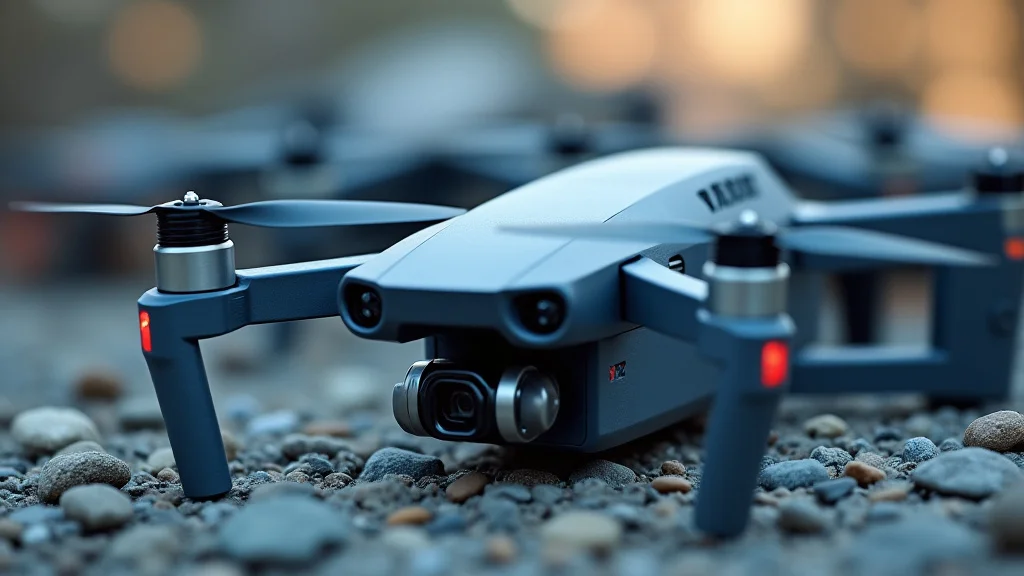
Picture this: you’re gazing at the sky, a sleek drone whizzing past. You’re captivated, and maybe you’re even thinking of building your own. But where do you even start? The answer lies in the often-overlooked world of uav parts. This post is your roadmap! It breaks down everything from the basics to the specifics, ensuring you gain a solid grasp of how drones are built. You’ll move from novice to informed enthusiast, with a wealth of knowledge at your fingertips. Get ready to explore the exciting potential of uav parts!
Key Takeaways
- Explore the core components essential for drone construction and operation.
- Discover the function of each crucial part, from the flight controller to the motors.
- Learn about different types of UAV parts and how they influence drone performance.
- Understand the factors that determine quality, reliability, and the cost of parts.
- Gain knowledge on selecting appropriate parts based on usage and drone design.
- Obtain tips for UAV assembly, maintenance, and where to find your own parts.
Essential Components of a UAV
The foundation of any successful drone project begins with knowing its core components. Just like building a car, you need the engine, wheels, and a steering system to make it work. Similarly, a UAV relies on a set of critical elements working in perfect harmony. These parts are the building blocks that facilitate flight, control, and data gathering. Knowing these components allows you to comprehend the design choices that determine a drone’s capabilities, from its flight time to its ability to carry a payload.
The Flight Controller: The Drone’s Brain
The flight controller is often seen as the brain of the drone. It’s a small circuit board packed with sensors and a microcontroller. The microcontroller processes information from the sensors and commands the motors to maintain stability, execute flight plans, and perform other tasks. Think of it as the drone’s autopilot system. The sensors include an accelerometer (to measure acceleration), a gyroscope (to measure orientation), and a magnetometer (to measure the Earth’s magnetic field, and thus direction). These components relay information about the drone’s attitude and position, which the flight controller interprets to maintain stable flight.
- The Flight Controller acts as a central hub, receiving signals from the remote control and GPS.
- It uses IMU (Inertial Measurement Unit) data for orientation.
- Sophisticated controllers use algorithms to stabilize the drone.
- They also include features like GPS navigation and return-to-home functionality.
The Electronic Speed Controller (ESC): Powering the Motors
The Electronic Speed Controller (ESC) is a crucial link between the flight controller and the motors. Its primary function is to regulate the speed of the motors, giving the drone precise control over its movement. The ESC receives signals from the flight controller and adjusts the amount of power flowing to the motors. ESCs are crucial for balancing the load on each motor, ensuring smooth flight and responsiveness to pilot commands. There are various types of ESCs, distinguished by the current they can handle, as well as features such as voltage regulation.
- ESCs receive signals from the flight controller to adjust motor speeds.
- They manage the power delivery to the motors.
- Modern ESCs often include features like regenerative braking.
- They need to be correctly matched with the motors.
The Motors: The Propulsion System
The motors are what propel a drone into the air. Most drones use brushless DC motors, known for their efficiency and long lifespan. These motors use powerful magnets and electromagnetic coils to generate rotational force. The number of motors a drone has usually corresponds to the number of propellers; quadcopters, for instance, have four motors. The motor’s performance is measured in terms of KV (RPM per volt), which indicates the motor’s speed when exposed to a specific voltage. The motor’s size, efficiency, and power rating influence the drone’s flight characteristics, including how quickly it can ascend and its payload capacity.
- Motors provide the necessary thrust for the drone to fly.
- Brushless DC motors are the standard for their efficiency.
- They are specified by KV rating, influencing speed.
- Motor size and power capacity affect flight duration and payload capacity.
The Propellers: Creating Lift and Thrust
The propellers, or props, are designed to generate lift and thrust when the motors spin. Propellers are available in a variety of sizes and shapes, with different pitch and blade characteristics. The propeller’s design heavily impacts the drone’s performance, affecting factors like speed, efficiency, and noise. Choosing the right propellers depends on several considerations, including motor specifications, flight style, and the environment. Consider the trade-off: larger props often give more lift but can decrease maneuverability and increase power consumption. Also, propellers must be balanced to reduce vibrations, which could impact image quality and flight stability.
- Propellers convert the motor’s rotational force into thrust.
- Propeller design influences flight characteristics.
- Propeller size, pitch, and blade characteristics impact the drone’s flight efficiency.
- Balancing propellers is critical for smooth flight and image quality.
The Frame: The Drone’s Skeleton
The frame is the skeletal structure of the drone, providing the structure that holds all other components together. Frames can be made from various materials, with carbon fiber being a popular choice for its strength and lightweight properties. The frame design directly influences the drone’s performance characteristics like rigidity, weight, and aerodynamics. There are different frame types, from the popular quadcopter X-frame to the H-frame, each with benefits suited to various tasks. A well-designed frame offers protection for the internal components, making sure the drone is durable and can withstand impacts.
- The frame provides structural support.
- Carbon fiber is a popular material for its strength-to-weight ratio.
- The frame design influences flight characteristics.
- A well-designed frame protects internal components.
The Battery: Powering Flight
The battery is the energy source of the drone, typically a Lithium Polymer (LiPo) battery. LiPo batteries provide a high power-to-weight ratio, perfect for maintaining flight. The battery’s capacity (measured in milliampere-hours or mAh) and voltage directly influence the flight time and power. Proper care and maintenance of the battery are essential for safety and battery life. This includes not overcharging or discharging the battery, as well as appropriate storage procedures.
- LiPo batteries provide the necessary power.
- Battery capacity and voltage affect flight time and power.
- Proper battery maintenance extends the lifespan.
- Safety precautions are critical during charging, use, and storage.
Choosing the Right UAV Parts
Selecting the right parts for your UAV depends on your desired use. Considering a few things will guarantee you get the perfect build. A drone used for aerial photography requires different components than one designed for racing. It is about balancing performance, cost, and reliability.
Deciding on the Application: Defining Your Needs
The first step in choosing UAV parts is identifying the intended application. Will the drone be used for photography, racing, surveying, or something else? These requirements influence all other aspects of your build. For example, a photography drone would need a high-quality camera, a stable gimbal, and a long flight time. A racing drone needs speed and maneuverability. This ensures you buy the appropriate parts to fulfill the desired functionality. Understanding how your drone will be used is key to making informed decisions throughout the build process.
- Different applications need different components.
- Photography drones need quality cameras and gimbals.
- Racing drones prioritize speed and maneuverability.
- Surveying drones need precision and long flight times.
Performance Factors: Speed, Range, and Flight Time
Performance factors are key elements that dictate the overall quality of a drone. These considerations influence how effectively the drone can perform its intended tasks. Speed, range, and flight time are critical, and selecting parts with consideration of these features is essential. These aspects are interdependent and need to be considered when designing the UAV. For example, enhancing speed might require more powerful motors and propellers, potentially reducing flight time and affecting overall flight range.
- Speed defines how fast the drone can travel.
- Range determines the maximum distance the drone can fly.
- Flight time indicates how long the drone can stay airborne.
- All performance factors are interconnected.
Compatibility: Ensuring Parts Work Together
A frequent error is that some UAV parts will not work together. Compatibility is about ensuring the components you choose will function harmoniously, so this is critical. This involves checking the voltage requirements of the motors match the battery output and that the flight controller can handle the ESCs. Verify the dimensions and mounting points of the frame align with other components. Taking the time to study the specifications and consult compatibility guides can save time and money. Correct compatibility guarantees the drone functions correctly and enhances safety.
- Compatibility ensures all components function correctly.
- Check voltage, current, and specifications.
- Match the frame’s dimensions to the other parts.
- Use resources like manufacturer guides to confirm compatibility.
Budget Considerations: Balancing Cost and Quality
There’s a broad spectrum of UAV parts available, varying in quality and price. Setting a budget and sticking to it is an essential part of the design process. Decide how much you can spend on the drone, and then allocate the money amongst the various components. While it may be tempting to buy the cheapest parts to reduce cost, doing so might result in compromised performance or reduced reliability. In other instances, it is sometimes better to spend a bit more on critical parts. The key is to find a balance between value and your requirements.
- Set a budget for your drone build.
- Evaluate the cost of each component.
- Decide where to prioritize spending.
- Consider the long-term value and expected lifespan.
Sourcing and Assembling Your UAV Parts
Once you’ve decided on the parts, the next step is getting them and putting them together. The market has many resources to buy UAV parts, from local hobby shops to online stores specializing in drone components. Careful assembly is key. You’ll need to follow a series of detailed instructions. This involves soldering, connecting wires, and configuring flight controllers. It’s a satisfying process, but be patient, methodical, and pay close attention to safety.
Finding Reliable Suppliers: Where to Buy
Finding reliable suppliers is important for acquiring authentic and high-quality uav parts. Look for businesses with a track record for excellent customer service and product quality. Read reviews, and talk to other drone builders. Online marketplaces and specialized retailers are abundant sources. Local hobby shops provide immediate access to parts and can offer knowledgeable guidance. When sourcing, consider their return policies, warranty details, and shipping times. Verify the supplier’s reputation and guarantees before buying.
- Choose suppliers with good reputations and reviews.
- Online marketplaces offer a wide selection.
- Local hobby shops provide expert advice.
- Consider shipping, warranty, and return policies.
Assembly Process: Step-by-Step Guide
The assembly process, though needing time and effort, can be rewarding. Start by reviewing the manuals and guides for all components. Begin with mounting the motors to the frame and connecting the ESCs. Attach the flight controller, making sure the sensors are properly oriented. Then, install the battery, camera, and other accessories. Carefully solder the wires and double-check all connections. Once assembled, you will need to configure the flight controller through specialized software. This calibration makes sure the drone is ready for its first flight. Take your time, focus on detail, and keep safety in mind throughout.
- Mount the motors and connect the ESCs to the frame.
- Attach and align the flight controller.
- Install the battery and accessories.
- Solder wires and double-check connections.
- Configure the flight controller software.
Tools and Equipment: What You’ll Need
A well-equipped workspace will make assembly much simpler. You will need certain essential tools. You will need a soldering iron, solder, and desoldering braid for electronics work. Screwdrivers, Allen wrenches, and other hand tools are critical for assembling the frame and mounting components. A multimeter helps verify connections and diagnose issues. A good set of wire strippers, cutters, and heat shrink tubing will help with the wiring. These tools will ensure a smooth, efficient, and enjoyable build.
- A soldering iron and related supplies are essential.
- Screwdrivers and Allen wrenches for frame assembly.
- A multimeter for electrical diagnostics.
- Wire strippers, cutters, and heat shrink tubing.
Maintenance and Safety
Caring for your drone ensures a long lifespan. Regular maintenance and safe operation practices are essential. This helps to make sure your drone performs optimally and is also very important for your safety and the safety of people around you. Inspections, cleaning, and preventative measures will maintain the drone’s reliability and flight characteristics. Flying responsibly protects both you and other people or property nearby.
Regular Maintenance: Keeping Your Drone in Top Shape
Regular maintenance prolongs the drone’s life and protects performance. Clean the drone after each flight, getting rid of any debris. Check the propellers for cracks or damage; replace them when needed. Inspect the motors for any dirt or wear. Tighten any screws. Calibrate the compass and other sensors. Store the drone in a clean and safe place when not in use. Regular maintenance is essential for improving flight characteristics and increasing the lifespan.
- Clean the drone and inspect its parts regularly.
- Check and replace propellers as needed.
- Inspect the motors for wear and tear.
- Calibrate sensors to ensure flight accuracy.
Safety Practices: Flying Responsibly
Flying safely needs diligence and awareness of potential dangers. Become familiar with the drone’s controls and practice in a clear area. Stay away from people, buildings, and other obstacles when flying. Adhere to local laws and regulations regarding drone flight. Inspect the weather conditions before each flight. Never fly your drone when there’s strong wind or rain. Being a responsible pilot is key to protecting yourself and others. Flying safely is crucial, and it’s important to take the necessary precautions before, during, and after each flight.
- Practice flying in an open area, free from obstacles.
- Adhere to all local laws and regulations.
- Check the weather conditions before flight.
- Avoid flying near people or other aircraft.
Troubleshooting Common Problems
Even with careful maintenance, problems can still occur. Learn the common issues that can affect your drone, from motors failing to flight controller errors. Common signs include unusual vibrations, unresponsive controls, and a lack of power. Consult your manufacturer’s resources, and find online troubleshooting guides that offer diagnostic steps. Always disconnect the battery before working on electrical components. Taking the time to find problems can save time and stop more serious damage.
- Unusual vibrations could mean the propellers are unbalanced.
- Unresponsive controls could mean a problem with the transmitter.
- A lack of power could mean a battery issue.
- Consult your resources for troubleshooting steps.
Common Myths Debunked
Myth 1: Drones Are Always Difficult to Build
Some people think building a drone is only for engineers. In reality, assembling a drone is now easier, thanks to better resources, improved components, and guides. While some technical knowledge is important, most people can learn the building process with dedication. Many online communities and tutorials offer step-by-step instructions. With the right tools and guidance, building a drone is within reach.
Myth 2: Higher Cost Always Equals Better Performance
A common misconception is that a higher price means better performance. While expensive parts can be better, the overall performance depends on the components working together. It’s better to balance the cost. Choose parts that fit your requirements and your budget. This approach makes sure you get value without paying too much. The best strategy is to balance budget and performance, focusing on the functionality and your desired user experience.
Myth 3: Drones Are Only for Professionals
Many believe drones are only for commercial or professional use. Today’s drones have become more available and inexpensive for enthusiasts. From hobbyists to casual users, drones are increasingly being used for recreation. Many entry-level drone kits are made for beginners. They enable a lot of people to experience the excitement of drone flights, photography, and exploring the sky.
Myth 4: You Need a Pilot’s License to Fly a Drone
Laws on drone use change depending on your location. Regulations vary based on a drone’s size, weight, and usage. For recreational flights, you don’t always need a license, but you may need to register your drone and take a basic online test. Commercial use often demands that you obtain a license and follow more rules. Always check the regulations that apply to your situation, and obey local rules to ensure safety.
Myth 5: Drone Parts are Interchangeable Between Models
While some components are compatible across different drones, it’s a mistake to think all parts can be swapped. Different drones use different sizes and types of parts. Compatibility often depends on the drone’s frame design, motor specifications, and flight controller capabilities. Doing the research before buying any parts is important. Understanding the specifications and limitations of your drone model is key before you begin replacing uav parts.
Frequently Asked Questions
Question: What is the most common reason for drone crashes?
Answer: The most common cause of drone crashes is pilot error, followed by equipment failure and adverse weather conditions.
Question: How long do LiPo batteries last?
Answer: LiPo batteries typically last for 100-300 charge cycles, with their lifespan affected by usage and storage conditions.
Question: Can I modify my drone?
Answer: Yes, you can modify your drone, but remember to consider compatibility, safety, and any local restrictions.
Question: How can I improve my drone’s flight time?
Answer: You can improve flight time by using more efficient components, a lighter build, and optimizing flight characteristics.
Question: Where can I get support if I need assistance?
Answer: You can find support from manufacturers, online communities, and local hobby shops.
Final Thoughts
The world of uav parts offers a dynamic mix of technology, creativity, and enjoyment. As you have explored, building a drone is not only a possibility but a rewarding activity. By knowing the essential components, understanding how to select the right uav parts, and following best practices, you can create a working, functional aircraft. Take time to research thoroughly and approach assembly with patience and care. From the basics to the complex parts, each step of the way offers a learning opportunity and a chance to enhance your knowledge. Embrace the opportunity to explore, build, and explore. Your own drone adventure is possible.