
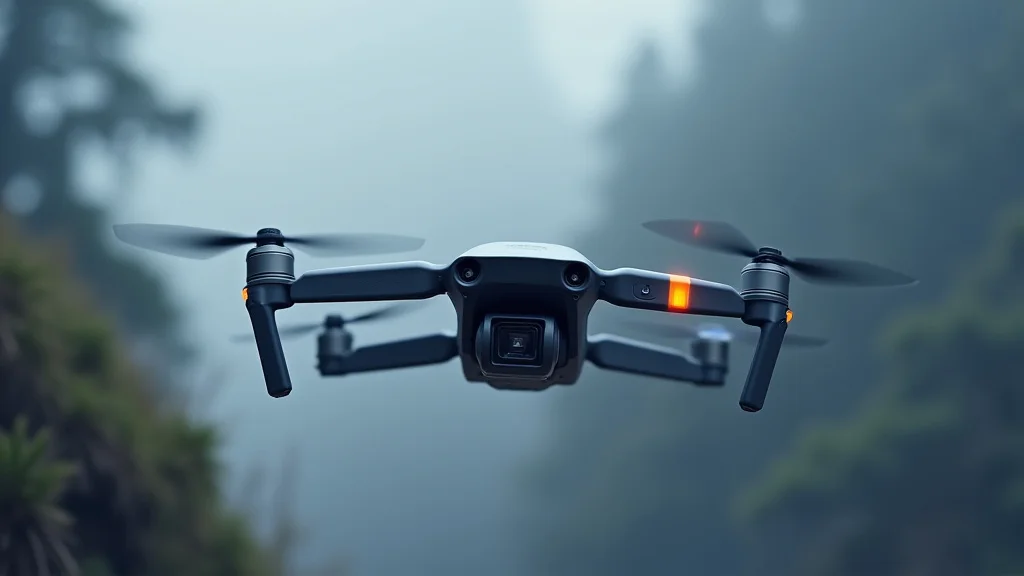
Picture this: you’re at a concert, trying to capture the perfect video, but your phone can’t quite reach the action. Enter the world of orb drones. These innovative flying machines are changing how we capture moments, perform surveillance, and even deliver goods. This post will explore everything about orb drones, from how they function to their many uses, giving you a better view of their capabilities and helping you make informed decisions. By the end, you’ll gain a thorough picture of their functionalities and applications, leading to a deeper appreciation for their impact and use. This exploration improves Time on Page and reduces Bounce Rate.
Key Takeaways
- Orb drones are spherical drones with unique features and applications.
- They offer enhanced safety and maneuverability compared to traditional drones.
- Orb drones excel in surveillance, inspection, and entertainment scenarios.
- Various technologies are used in the design and operation of these machines.
- The advantages include collision avoidance, ease of use, and a wide range of use cases.
- Challenges in design, operation, and regulation are present, but are actively being addressed.
Uncovering the Basics of Orb Drones
Orb drones represent a groundbreaking advancement in aerial technology. Unlike the typical quadcopter or fixed-wing designs, they’re typically enclosed in a protective spherical casing. This distinctive shape immediately sets them apart, offering benefits that traditional drones can’t match. They redefine what’s possible in aerial operations, especially in tight or crowded environments. Let’s explore the core concepts.
What Defines an Orb Drone?
The defining trait of an orb drone is its spherical or nearly spherical form. This design choice is not just for aesthetics; it provides significant functional advantages. The orb shape offers protection for internal components, allowing the drone to withstand impacts and operate more safely in environments filled with obstacles. Furthermore, this form factor often enhances maneuverability, letting the drone access areas that standard drones can’t easily reach. This allows them to function in many diverse scenarios, from industrial inspections to artistic endeavors.
- Encapsulated Design: The spherical shell safeguards the propellers, electronics, and payload, decreasing the likelihood of damage from collisions.
- Maneuverability: The structure enables easy movement and adjustment in tight spaces, useful in indoor environments.
- Enhanced Safety: The enclosed design reduces the risk of injury to people and objects.
- Aerodynamic Considerations: They may present certain aerodynamic problems, but modern design addresses these.
- Visual Appeal: The innovative design stands out and draws attention.
The unique features of orb drones make them perfect for operations where safety and the ability to operate near obstacles are critical. The encased design prevents damage to the internal parts. This allows them to be used in close quarters. For example, during inspections, the enclosed design ensures safety and allows for more precise positioning. These attributes make them highly suitable for a wide range of applications.
Core Technologies in Orb Drone Operation
Orb drones combine various technologies to operate efficiently. These technologies work in concert to deliver aerial prowess. The integration of sensors, control systems, and power sources is key. The integration of such technologies is what allows them to perform well in various challenging operational environments.
- Flight Control Systems: Sophisticated flight control systems ensure stability and maneuverability, counteracting environmental forces.
- Sensors: Sensors like accelerometers, gyroscopes, and pressure sensors give essential data.
- Navigation: GPS and other navigation tools are critical for outdoor flying.
- Obstacle Avoidance: Some models employ advanced systems to detect and prevent collisions.
- Power and Propulsion: Battery technology and efficient motor designs give adequate flight time.
The ability of an orb drone to fly safely and effectively is dependent on these core technologies. Flight control systems manage stability and handling, while sensor data feeds into these systems. The advanced technologies enable real-time adjustments and responses to environmental factors, guaranteeing safe and controlled flight. The interaction of propulsion systems and sensor technology ensures optimal performance in a variety of aerial operations.
How Orb Drones Differ From Traditional Drones
While traditional drones have proven their worth in many areas, orb drones diverge significantly in design and function. The most visible change is the shell, which provides key benefits in safety and maneuverability. This shape enables operations in environments where standard drones might struggle. The difference is more than cosmetic.
- Design: Traditional drones usually have open propellers, while orb drones have a spherical shell.
- Safety: Orb drones often have increased safety due to the protective shell, protecting both the drone and its surroundings.
- Maneuverability: The shape helps them in tight spaces, making them suitable for indoor operations.
- Obstacle Avoidance: Orb drones can use advanced sensing tech to make adjustments to prevent collisions.
- Applications: Orb drones stand out in situations where safety and adaptability are necessary.
Traditional drones often excel in open areas for filming and surveying. Orb drones step in when safety and agility are top priorities. Their design allows them to adapt in environments with obstacles. For instance, in an industrial inspection, an orb drone could access an area where a conventional drone may not. Orb drones thus open up new possibilities and provide a way to fly in a safe and controllable manner.
Applications of Orb Drones
The flexible form factor of orb drones opens up a host of possibilities across different sectors. From commercial activities to recreational applications, these flying machines are making their presence felt. They are perfect for use in confined spaces and other unique conditions. Let’s consider a few specific applications.
Surveillance and Security
The safety and maneuverability of orb drones make them ideal for security and surveillance. Their ability to move in close quarters and detect obstacles is an advantage in security operations. These drones bring a new level of efficiency to monitoring and protecting locations.
- Perimeter Monitoring: Orb drones can patrol boundaries, detecting unauthorized access or movement.
- Indoor Surveillance: The drones can be deployed in facilities such as warehouses, offices, and manufacturing plants.
- Rapid Deployment: Their quick setup and deployment make them ideal for emergency response situations.
- Data Collection: They gather evidence for law enforcement, such as forensic analysis.
- Event Security: Orb drones are used to maintain security at public events, monitoring crowds and identifying potential problems.
The enclosed structure protects the propellers and internal components, decreasing damage from collisions, and protecting people. They can be equipped with high-resolution cameras, thermal sensors, and other equipment. They offer real-time monitoring capabilities, making them a crucial tool for protecting assets and ensuring safety.
Industrial Inspections
Orb drones play a vital role in industrial inspections, improving efficiency and safety. Their size and ability to fly in challenging locations help streamline inspection procedures. They reduce the need for humans to access risky areas and speed up the process.
- Infrastructure Assessment: Bridges, pipelines, and other structures can be checked for damage or degradation.
- Hazardous Environment Inspection: They are useful for inspecting equipment in confined areas.
- Remote Access: Inspection of hard-to-reach locations is achieved safely and efficiently.
- Damage Detection: They can discover cracks, corrosion, and other flaws.
- Data Analysis: The drones’ data can be studied for preventative maintenance and to enhance efficiency.
Orb drones are especially helpful in environments that are dangerous or difficult for humans to access. These drones can be equipped with a variety of sensors. These sensors can detect problems like temperature anomalies. The gathered information is used for preventative maintenance. The use of orb drones boosts the effectiveness and safety of industrial inspections.
Entertainment and Filming
The unique features of orb drones make them useful for creating engaging and creative content. Filmmakers and event organizers can use these drones to capture amazing aerial views that would be impossible with traditional equipment. The design makes them well-suited for a variety of entertainment applications.
- Event Filming: Their small size and flexibility are suitable for events.
- Creative Filming: Their ability to navigate tight spaces enables filmmakers.
- Live Streaming: Orb drones can live-stream events.
- Virtual Tours: They are excellent for creating immersive virtual tours.
- Recreational Use: Orb drones provide an exciting method to capture unforgettable moments.
The maneuverability of orb drones allows for filming in environments where conventional drones are unable to operate. Their compact size makes them ideal for events and film shoots. Orb drones have features, such as obstacle avoidance and camera stabilization, that improve the overall quality of filming. These drones are sure to bring new and exciting perspectives to any media project.
Advanced Features and Technologies
Orb drones include many cutting-edge features and technologies. These tools ensure optimal performance, safety, and functionality. As the technology continues to evolve, these features are becoming more and more sophisticated. They are changing how these drones operate and are used across many fields.
Collision Avoidance Systems
One of the most essential aspects of orb drone technology is their collision avoidance systems. These systems are essential for guaranteeing safe flight, especially in environments with many obstacles. They use a range of sensors to detect and prevent accidents. These are very important for improving the performance of the orb drones.
- Sensor Integration: They combine visual, ultrasonic, and other types of sensors to gather environmental data.
- Real-Time Processing: Fast processing of the data allows the drone to identify and respond to obstacles immediately.
- Automated Maneuvering: The system can change the drone’s path.
- Safety Protocols: The system is designed to trigger emergency behaviors.
- Environmental Adaptability: They are built to adjust to many operating conditions, from inside structures to outdoor locations.
Collision avoidance systems are crucial for orb drones to work safely and efficiently. These systems increase the drones’ safety. They ensure the drone functions safely, whether flying indoors or in complex environments. This capability is critical for a wide range of applications. It shows how the development of technologies is improving drone capabilities.
Flight Stabilization and Control
Flight stabilization and control are critical for an orb drone’s smooth and reliable operation. Maintaining the aircraft’s position and orientation is essential. Advanced control systems enable the precision and stability needed for various applications. It guarantees that the orb drone flies safely and efficiently.
- Multi-Sensor Data Fusion: Data from accelerometers, gyroscopes, and other sensors is combined.
- Closed-Loop Control: The system continuously corrects and adjusts.
- Precision Maneuvering: Sophisticated control algorithms allow for exact flight patterns.
- Wind Resistance: Advanced algorithms aid in overcoming wind.
- User-Friendly Interface: Many systems include easy-to-use controls.
Excellent flight stabilization and control are essential to the success of an orb drone’s mission. The combination of hardware and software makes it possible for the drone to fly stably and respond to changing environmental situations. High precision is achieved by these features, enhancing the drone’s capability for a variety of tasks.
Payload Integration Capabilities
Orb drones’ payload integration capabilities determine how flexible and useful they are for different jobs. Being able to include and operate a variety of payloads increases the drones’ utility. This allows them to be used in various applications, from surveillance to industrial inspections. It also shows the versatility of these drones.
- Modular Design: Orb drones often have a modular design.
- Sensor Compatibility: They can integrate with a variety of sensors.
- Payload Capacity: Payload capacity varies, allowing for a variety of tools.
- Data Transmission: Efficient data transmission is required for real-time monitoring.
- Power Management: Effective power management ensures sustained operation.
The ability to integrate different payloads allows orb drones to be used in a variety of jobs. A modular design and effective data transmission are essential to ensure the effective use of payloads. The capability to carry a variety of payloads enhances an orb drone’s ability to fulfill different task needs.
Challenges and Solutions in Orb Drone Development
Despite their benefits, orb drones encounter challenges in their design, operation, and regulation. Overcoming these challenges is essential for wide adoption and progress in the field. Careful attention to these difficulties will lead to more effective and safe drones.
Design and Engineering Issues
The unique form of orb drones offers benefits, but it also creates design and engineering challenges. Finding the best balance between aerodynamics, size, and functionality requires careful engineering. Engineers continue to work on solutions to enhance performance and usability.
- Aerodynamic Considerations: The spherical shape is not as aerodynamically efficient.
- Weight and Size: Achieving the appropriate balance between size and power requires careful weight management.
- Propulsion System: The placement and effectiveness of the propellers must be improved.
- Material Selection: Picking materials that combine strength, and weight is key.
- Manufacturing: Designing easy-to-make, cost-effective drones is important.
The success of orb drones relies on addressing design and engineering issues. Engineers are always looking for new materials to improve aerodynamics and decrease weight. These developments, along with improvements to the propulsion system, guarantee that these drones can work effectively in a wide range of settings.
Operational Difficulties and Mitigation Strategies
The operational difficulties that orb drones face are varied and affect their dependability and performance. Addressing these issues includes dealing with environmental restrictions, ensuring safe flight, and maximizing operational time. Effective tactics and technologies are used to reduce these problems.
- Battery Life: Extended flight times are always desired.
- Environmental Factors: Adverse weather conditions like rain and wind reduce performance.
- Control Range: Extending the control range is vital for distant operations.
- Interference: Maintaining reliable communication is critical in busy areas.
- Maintenance and Repair: Developing maintenance procedures is necessary.
Orb drone performance is improved by resolving operational issues. Innovations in battery technology, improved weather resilience, and strong communication systems are essential. These developments guarantee dependable and efficient operation. They also help to increase the use of orb drones in diverse situations.
Regulatory Landscape and Compliance
The development and use of orb drones must follow regulatory regulations. Understanding and complying with the regulations is essential for safe and legal operations. The complexity of these rules has an effect on both the use and growth of these technologies.
- Airspace Restrictions: Limitations on where and how drones can fly are in place.
- Safety Standards: Adhering to safety criteria is essential.
- Privacy Concerns: Protecting privacy is important.
- Licensing and Certification: Operators may need permits.
- Evolving Regulations: Staying informed of changing regulations is crucial.
Orb drone operations are impacted by a wide range of legislation. Compliance entails paying close attention to airspace limitations, safety standards, and privacy concerns. Keeping up with changes is essential for maintaining legal and safe operations. This helps the drone community operate responsibly and supports sustainable development.
Common Myths Debunked
Myth 1: Orb Drones are Just a Trend
Many believe that orb drones are only a passing fad. The reality is that their unique design provides advantages over traditional drones in terms of safety and maneuverability. They offer many applications, from surveillance to entertainment. They have become more than a trend, demonstrating a real evolution in drone technology and use. These drones provide real value.
Myth 2: They Are Difficult to Control
Another misconception is that orb drones are difficult to operate. Modern orb drones use sophisticated flight control systems, user-friendly interfaces, and automated features, like obstacle avoidance. These technologies make them easy for beginners to fly. This means they are accessible to both novices and skilled operators.
Myth 3: Orb Drones Are Only for Indoor Use
Although orb drones shine in indoor settings, their usefulness is not restricted. While their closed design improves safety in enclosed areas, many models are designed for outdoor operations. They are perfect for both indoor and outdoor jobs, proving their adaptability.
Myth 4: They are Too Expensive
Some believe that orb drones are prohibitively costly. The price range of these drones varies. While high-end models can be expensive, more affordable alternatives are available for hobbyists and smaller businesses. Prices have decreased over time as the technology advances. It’s more reasonable to incorporate them into various budgets.
Myth 5: All Orb Drones Are the Same
The market has a wide variety of orb drones, each with its own features and capabilities. Some are made for certain uses. There are differences in size, capabilities, and the technologies used. Some are optimized for photography and videography, while others are designed for industrial inspections.
Frequently Asked Questions
Question: How long do orb drones typically fly?
Answer: Flight times vary depending on factors such as battery capacity, payload, and operating conditions. Most orb drones have flight times ranging from 20 to 45 minutes.
Question: Can orb drones fly in the rain?
Answer: Not all orb drones are built to withstand rain. Some models are more weather-resistant than others, and it’s essential to check the product specifications before operating in wet conditions.
Question: How far can an orb drone fly from the controller?
Answer: The range varies by model, often between a few hundred meters to several kilometers. Factors include the drone’s technology and environmental factors.
Question: What safety features do orb drones have?
Answer: Orb drones typically include safety features like obstacle avoidance systems, fail-safe modes (such as returning to the home point), and protective shells to prevent damage.
Question: What licenses are needed to fly an orb drone?
Answer: Regulations differ by location. However, in many places, you may need to register your drone and obtain a license or certification depending on the drone’s use and weight.
Final Thoughts
Orb drones represent a significant advancement in the field of unmanned aerial vehicles. The enclosed, spherical design is not just unique; it’s also practical, providing benefits in safety and maneuverability that make these drones perfect for diverse applications. They are becoming more common in surveillance, inspections, and creative projects. The combination of collision avoidance, sophisticated control systems, and adaptable payload options makes them adaptable and useful across different sectors. As technology advances and the regulatory landscape evolves, these machines are poised to have a huge impact. Consider exploring this technology. Orb drones offer a new way to explore our world. They offer exciting opportunities for innovation.